A militant group known as the Vulkangruppe has taken responsibility for a major arson attack in Germany that has left tens of thousands of homes and businesses without electricity and heating. The incident, which targeted critical infrastructure in Berlin, is being investigated as a politically motivated act of left-wing extremism.
Attack Details and Immediate Impact
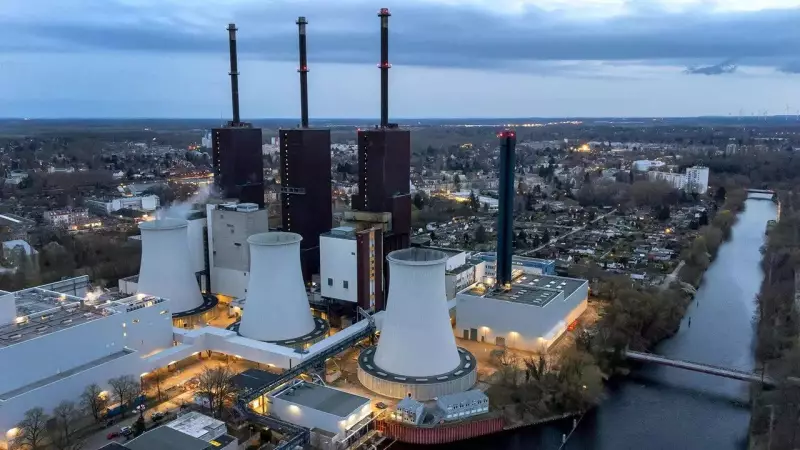
The attack occurred last week on a bridge that crosses the Teltow canal, damaging high-voltage cables located near the Lichterfelde heat and power station in the German capital. According to the city's grid operator, Stromnetz Berlin, the sabotage initially cut off power to approximately 45,000 households and 2,200 businesses in the districts of Nikolassee, Zehlendorf, Wannsee, and Lichterfelde.
While power was restored to about 10,000 homes and 300 businesses in Lichterfelde a day later, the operator warned that 35,000 households and 1,900 businesses may remain without essential services until January 8. The ongoing repairs have been severely hampered by freezing temperatures and snowfall, making it difficult for crews to lay new underground cables.

Vulkangruppe's 2,500-Word Protest Letter
In a lengthy 2,500-word protest letter deemed "credible" by police, the Vulkangruppe outlined its motives. The group stated the arson was a direct action against the climate crisis and the growing role of artificial intelligence (AI). They accused AI data centres of exacerbating harmful energy consumption and contributing to societal surveillance.
The letter explicitly stated the aim was to "cut the juice to the ruling class," targeting some of Berlin's wealthiest districts. While expressing regret for poorer residents affected, the group showed little sympathy for "villa owners" left in the dark. They framed the attack as an "act of self-defence and international solidarity" in the face of environmental destruction.
Widespread Consequences and Official Response
The blackout has had severe repercussions across the affected areas. The outage impacts numerous nursing homes, hospitals, and tall buildings where elevators are now non-operational. With nighttime temperatures dropping well below freezing, the situation is critical for vulnerable populations.
Berlin's Mayor, Kai Wegner, condemned the attack, stating it was unacceptable for left-wing extremists to endanger lives by targeting the electricity grid. Police used loudspeakers on patrol cars to communicate with residents after cell phone networks failed. The disruption also halted several local train lines and may extend the school winter break for many students.
This incident follows a pattern. In March 2024, Vulkangruppe claimed an arson attack on a power tower at the Tesla gigafactory near Berlin. Germany's domestic intelligence agency has previously labeled the group, believed to be around 14 years old, as a left-wing extremist threat known for aiming to cause maximum disruptive impact.
Security experts note that such attacks on energy infrastructure require minimal specialist knowledge, as grid maps are readily available online, and few robust backup plans exist for sabotage scenarios. Authorities continue their investigation as repair teams work to restore power to the freezing city.