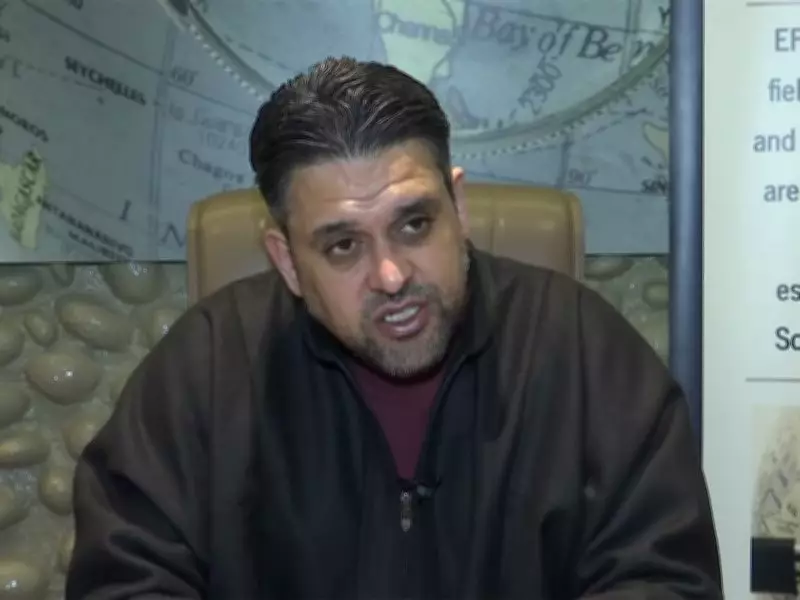
In a bold and defiant statement, Junaid Qureshi, the Director of the European Foundation for South Asian Studies (EFSA), has declared that he remains unafraid of death threats issued against him by The Resistance Front (TRF). This militant group, known for its activities in the Kashmir region, has targeted Qureshi due to his outspoken stance on terrorism and regional security issues.
Exposing Pakistan-Backed Sleeper Cell Networks in Kashmir
Qureshi has brought to light the disturbing reality of Pakistan-backed sleeper cell terror operations within Kashmir. He emphasized that these covert networks pose a significant and ongoing threat to peace and stability in the area. Sleeper cells are typically dormant terrorist units that can be activated to carry out attacks, making them particularly dangerous and difficult to detect by security forces.
The Role of The Resistance Front (TRF) and External Support
The TRF, which has claimed responsibility for various incidents in Kashmir, is alleged to have connections with external actors, including Pakistan. Qureshi's remarks underscore the complex web of support that fuels militancy in the region. He pointed out that such backing not only emboldens terrorist groups but also complicates efforts to achieve lasting peace and security.

Qureshi stated, "I will not be intimidated by these threats. It is crucial to expose the truth about the terror infrastructure that threatens innocent lives in Kashmir." His courage in speaking out highlights the personal risks faced by individuals who challenge terrorist organizations and their sponsors.
Implications for Regional Security and International Response
The revelation of sleeper cells in Kashmir raises serious concerns about the potential for future attacks and the broader implications for regional security. Qureshi called for increased vigilance and coordinated international efforts to dismantle these networks. He urged global stakeholders to take decisive action against state-sponsored terrorism and to support initiatives aimed at countering extremism.
This development comes at a time when Kashmir remains a focal point of geopolitical tensions. The exposure of Pakistan-backed sleeper cells adds a new dimension to the ongoing discourse on terrorism and cross-border influences in South Asia.
In conclusion, Junaid Qureshi's fearless stance against TRF death threats and his exposure of Pakistan-backed sleeper cell terror in Kashmir serve as a critical reminder of the persistent challenges in combating terrorism. His advocacy underscores the need for sustained efforts to address the root causes of militancy and to protect those who risk their lives to speak the truth.