The national capital, Delhi, officially experienced its first 'cold day' of the year 2026 on Monday, January 6, as a significant dip in daytime temperatures gripped the region. The India Meteorological Department (IMD) has responded to the widespread chill by issuing cold wave and cold day warnings for a total of 13 states across northern, central, and eastern India, signaling a period of intense winter conditions.
Widespread Chill Grips North and Central India
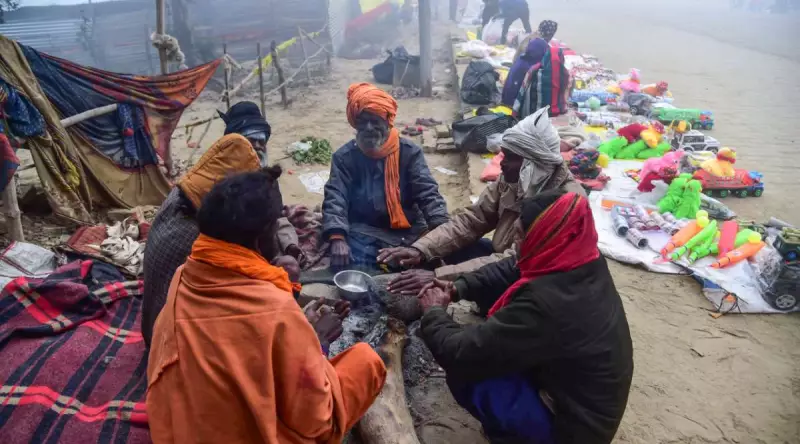
According to the IMD's detailed bulletin, the maximum temperature in Delhi on January 6 settled at a notably low 15.4 degrees Celsius. This reading was a substantial 5 degrees Celsius below the season's average normal, meeting the official criteria for a 'cold day'. The minimum temperature was recorded at 7.3 degrees Celsius. The primary cause for this sharp drop is attributed to a combination of factors: dense fog, persistent cloud cover, and cold north-westerly winds blowing across the plains.
The cold wave conditions are not confined to Delhi. The IMD has placed several regions under a yellow watch, indicating severely cold weather for the next 2-3 days. The states under alert include Punjab, Haryana, Chandigarh, Uttar Pradesh, Rajasthan, Madhya Pradesh, Bihar, Jharkhand, Odisha, West Bengal, Assam, Meghalaya, and Nagaland. In specific areas of Punjab, Haryana, and Rajasthan, the minimum temperatures are expected to plunge further, potentially reaching between 3 to 5 degrees Celsius.

IMD's Forecast and Public Advisory
The weather office has provided a clear forecast for the coming days. Dense to very dense fog is very likely to continue in the morning hours over parts of Punjab, Haryana, Chandigarh, and Uttar Pradesh until January 8. Similar foggy conditions are predicted for Bihar until January 7 and for Odisha and West Bengal during the next 24 hours. These conditions are expected to significantly reduce visibility, impacting road and rail travel.
In light of the severe forecast, the IMD has issued strong advisories for the public. Residents in the affected states, especially vulnerable populations like the elderly, children, and those with pre-existing health conditions, are urged to take necessary precautions. The recommended measures include:
- Avoiding prolonged exposure to the cold outdoors.
- Wearing multiple layers of warm clothing.
- Ensuring proper heating in living spaces while maintaining ventilation for safety.
The department has also advised farmers to protect their standing crops, particularly in regions where frost formation is a possibility due to the low temperatures.
Impact on Daily Life and Travel
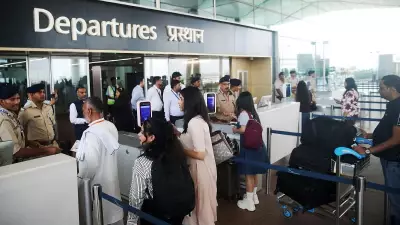
The onset of the cold wave and persistent fog has already begun to disrupt normal life. Flight and train schedules are facing delays due to low visibility. Early morning commuters are facing difficulties on highways. The significant deviation of daytime temperatures from the norm is also affecting daily routines and market activities, as people prefer to stay indoors during the peak cold hours.
This widespread weather event marks a definitive intensification of the winter season across a large swath of India. Authorities are monitoring the situation closely, and citizens are advised to stay updated with the latest IMD bulletins and follow the issued guidelines to stay safe and healthy during this spell of severe cold weather.