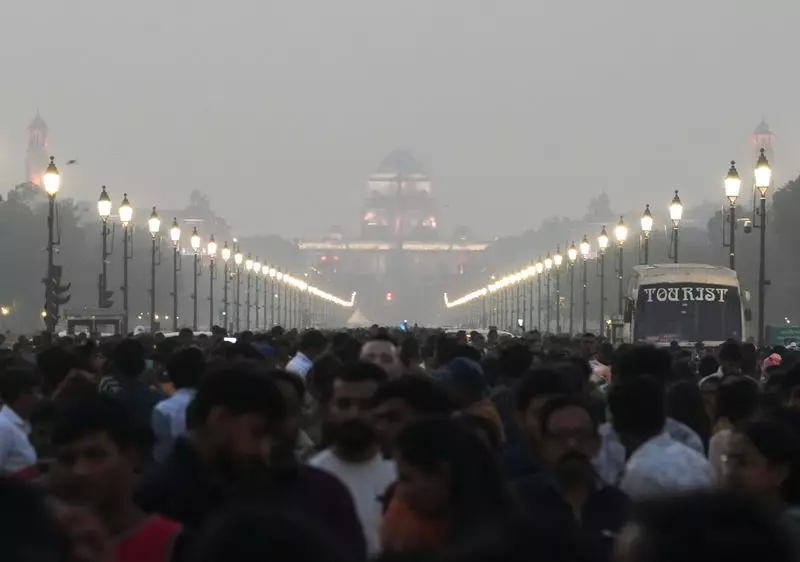
A comprehensive environmental study has identified several alarming pollution hotspots across India's capital, with Jahangirpuri, Rohini, and Shahdara emerging as the most critically affected areas. The research provides crucial insights into Delhi's ongoing battle with deteriorating air quality and its disproportionate impact on specific residential clusters.
Delhi's Toxic Trio: The Most Polluted Clusters
According to the detailed analysis conducted by the Urban Emissions initiative, three specific areas in Delhi are bearing the brunt of the city's pollution crisis. Jahangirpuri, Rohini, and Shahdara have been flagged as the most polluted residential clusters, with air quality parameters consistently exceeding safe limits established by national and international health organizations.
The study, which monitored air quality across multiple locations throughout Delhi, revealed that these three areas showed significantly higher concentrations of particulate matter compared to other regions. Residents in these clusters are exposed to dangerously high levels of PM2.5 and PM10 particles, which pose severe health risks including respiratory diseases, cardiovascular problems, and reduced lung function.

Understanding the Pollution Sources and Patterns
The research identified multiple contributing factors to the severe pollution levels in these specific clusters. Vehicular emissions, construction activities, industrial operations, and geographical factors collectively create a toxic environment that persists throughout much of the year, with conditions worsening significantly during winter months.
In Jahangirpuri, the combination of heavy traffic congestion, ongoing construction projects, and industrial units operating in close proximity to residential areas creates a perfect storm of pollution sources. Similarly, Rohini's pollution profile is dominated by vehicle exhaust from major arterial roads and construction dust from numerous development projects transforming the area.
Shahdara's pollution crisis stems from its mixed-use landscape where residential neighborhoods coexist with small-scale industries and manufacturing units. The area's topography and wind patterns also contribute to the accumulation of pollutants, creating persistent air quality challenges for local residents.
Health Implications and Community Impact
The study highlights the severe public health consequences facing residents of these polluted clusters. Children, elderly citizens, and individuals with pre-existing health conditions are particularly vulnerable to the effects of prolonged exposure to toxic air.
Medical experts consulted for the research noted increased incidence of respiratory illnesses, including asthma, bronchitis, and other chronic obstructive pulmonary diseases in these areas. The fine particulate matter penetrating deep into lungs and entering the bloodstream has been linked to not only respiratory problems but also cardiovascular issues, neurological disorders, and developmental problems in children.
Local healthcare facilities in Jahangirpuri, Rohini, and Shahdara have reported higher patient volumes during periods of peak pollution, with many residents complaining of persistent coughing, breathing difficulties, eye irritation, and general fatigue. The economic burden of healthcare costs and lost productivity due to pollution-related illnesses adds another layer of challenge for affected communities.
Addressing the Crisis: Recommendations and Solutions
The study proposes several targeted interventions to address the pollution crisis in Delhi's most affected clusters. Immediate measures include enhanced public transportation, stricter enforcement of construction norms, and relocation of polluting industries from residential areas.
Long-term solutions focus on urban planning reforms that prioritize green spaces, pedestrian-friendly infrastructure, and the creation of buffer zones between residential and industrial areas. The implementation of advanced air quality monitoring systems and early warning mechanisms could help residents take protective measures during high pollution episodes.

Community awareness programs and participation in pollution mitigation efforts are also emphasized as crucial components of any successful strategy. The study recommends that local authorities prioritize these identified hotspots in their pollution control initiatives and allocate resources specifically for addressing the unique challenges faced by each cluster.
As Delhi continues to grapple with its air quality crisis, this research provides valuable data-driven insights that could guide more effective and targeted interventions. The identification of Jahangirpuri, Rohini, and Shahdara as priority areas for pollution control efforts represents a critical step toward protecting public health and ensuring cleaner air for all Delhi residents.