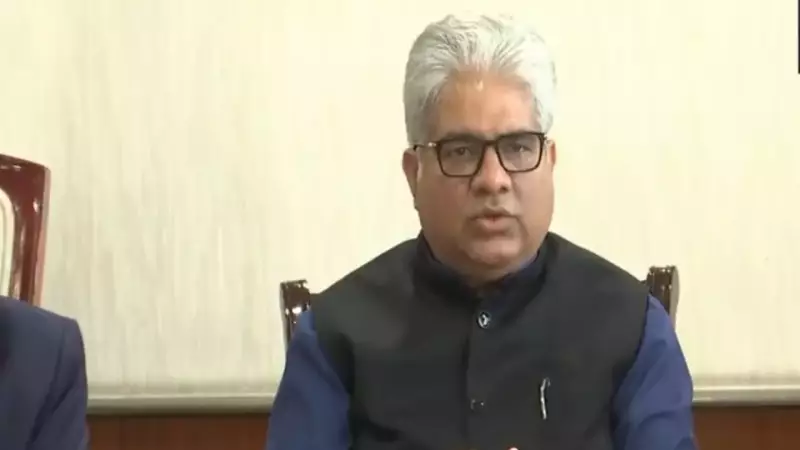
In a decisive move to combat the persistent air pollution crisis, Union Environment Minister Bhupender Yadav on Friday issued a stern directive to local authorities across the National Capital Region (NCR). He demanded visible improvement in air quality within one week, chairing a high-level review meeting with officials from Delhi, Haryana, and Uttar Pradesh.
Immediate Action Plan and Key Directives
The minister outlined a series of urgent measures to be implemented immediately. Authorities were instructed to focus on the removal of dust and construction waste from roads, contain biomass burning, and strictly enforce bans on construction activities during periods of high pollution. A significant emphasis was placed on accountability for road cleaning.
Individual officers will be assigned responsibility for Mechanical Road Sweeping Machines (MRSMs), with their performance tracked via GPS to ensure efficient dust control. Furthermore, the ministry ordered the removal of encroachments causing traffic congestion within ten days. It also mandated annual maintenance contracts to keep roads pothole-free and proper drainage to prevent monsoon damage.

Long-Term Strategy and Public Convenience
Recognizing the chronic nature of the problem, Yadav announced a shift to a more rigorous monitoring system starting January 2026. From that point, reviews of the action plans being finalized now will be held every month at the ministerial level. During the meeting, he stressed that the momentum of anti-pollution actions must be sustained until a clear improvement is seen.
The minister also provided a crucial balancing directive. While insisting on strict action against defaulters, he clarified that the general public must not face unnecessary inconvenience. Identified issues are to be addressed through corrective actions, with a follow-up review scheduled in 15 days.
Focus on Traffic and Smart Systems
To tackle vehicular emissions, a major pollution source, the meeting emphasized implementing staggered timings for offices, shopping malls, and commercial complexes to reduce peak-hour congestion. In a push for technological solutions, cities like Gurugram, Faridabad, Ghaziabad, and Noida were directed to fast-track the implementation of the Integrated Smart Traffic Management System (ITMS).
Traffic police were given specific instructions to ensure that their enforcement checks, meant to curb pollution, do not themselves become a cause of traffic jams. This comprehensive approach highlights the government's intent to tackle the capital's toxic air through a mix of immediate ground action, technological intervention, and sustained high-level oversight.