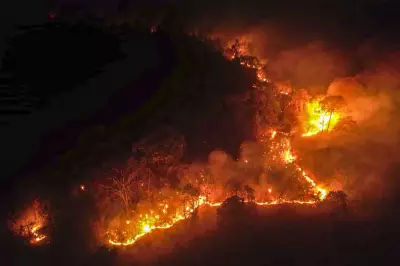
The air quality in India's capital, Delhi, took a significant turn for the worse on Sunday, plummeting into the 'Poor' category. The overall Air Quality Index (AQI) for the city was recorded at 256, according to data from the System of Air Quality and Weather Forecasting and Research (SAFAR). This marks a concerning decline in the atmospheric conditions that residents must breathe.
What Led to the Deterioration?
Meteorological conditions played a crucial role in this decline. Experts from SAFAR pointed to calm wind speeds and low temperatures as the primary culprits. These weather patterns act like a lid, trapping pollutants close to the ground and preventing their dispersion. The situation was particularly severe in specific areas. Delhi University and the Pusa Road region recorded AQI levels in the 'Very Poor' range, hitting 311 and 309 respectively, indicating even more hazardous local conditions.
A City Enveloped in Haze
The visual evidence of the pollution was unmistakable across the National Capital Region (NCR). A thick layer of haze blanketed the skyline, significantly reducing visibility and casting a pall over the city. The data from the Central Pollution Control Board (CPCB) corroborated the grim picture painted by SAFAR, confirming the widespread nature of the poor air quality episode. This environmental setback comes after a brief period of relatively clearer skies, highlighting the fragile and variable nature of Delhi's air pollution crisis.

Health Implications and Advisory
An AQI in the 'Poor' category (201 to 300) carries serious public health warnings. Authorities and health experts typically advise that breathing such air can lead to discomfort and adverse health effects, especially for sensitive groups. The recommended precautions include:
- Reducing prolonged or heavy exertion outdoors.
- People with heart or lung disease, older adults, and children should consider avoiding strenuous outdoor activities altogether.
- Staying indoors and using air purifiers where possible.
The decline serves as a stark reminder of the persistent air quality challenges Delhi faces, particularly as winter approaches—a season traditionally associated with worsening pollution due to a combination of meteorological factors and increased local emissions.