

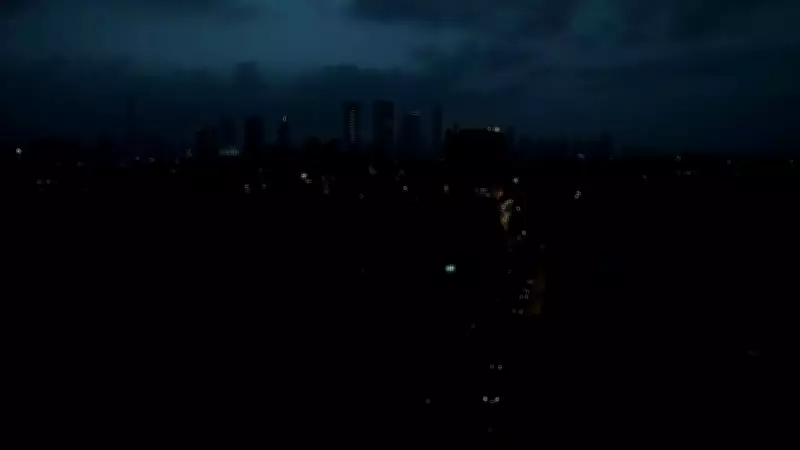
Cuba's National Electric Grid Suffers Complete Collapse
Cuba's national electric grid experienced a total collapse on Monday, according to official statements from the country's grid operator. This catastrophic failure has left an estimated 10 million people across the island nation without electricity, plunging homes, businesses, and critical infrastructure into darkness.
Decades-Old Infrastructure and US Sanctions Cripple System
The collapse comes amid a US-imposed oil blockade that has severely restricted Cuba's access to fuel needed to power its already obsolete generation system. The United States has tightened economic pressure on Cuba this year, particularly after capturing Venezuelan President Nicolas Maduro in early January. President Trump subsequently cut off Venezuelan oil shipments to Cuba and threatened tariffs on any country selling oil to the island, effectively strangling the antiquated grid.
Cuba's grid operator UNE announced on social media that it is investigating the causes of the blackout, which represents the latest in a series of widespread outages that have plagued the country. These power failures typically last for hours or even days, creating significant hardship for the population.

Blackout Sparks Rare Violent Protests
The power crisis escalated over the weekend when the blackout sparked rare violent protests in the Communist-run country. Citizens took to the streets to express their frustration with the deteriorating living conditions caused by the persistent electricity shortages.
In response to the growing crisis, Cuban officials revealed on Friday that they had entered into talks with the United States with hopes of defusing the situation. The discussions aim to address the economic pressures contributing to the grid's vulnerability.
Broader Context of Regional Tensions
The Cuban power crisis unfolds against a backdrop of heightened regional tensions. Recent developments include:
- Iran condemning Israeli bombing of fuel depots as 'ecocide'
- Former President Trump warning NATO about potential war fallout
- Rising Gulf-Iran tensions with elites pressing the US to take stronger action against Iran
- Concerns about threats to the strategic Hormuz Strait
These geopolitical factors contribute to the complex environment affecting energy security and infrastructure stability across multiple regions.






