In a significant move for environmental conservation, the Central government has issued a directive to states, calling for a complete prohibition on the approval of any new mining leases within the Aravalli mountain range. This instruction underscores the administration's firm commitment to safeguarding this critical geological and ecological asset.
A Decisive Step for Long-Term Protection
Officials clarified that this directive is rooted in a comprehensive policy to ensure the long-term protection of the Aravalli ecosystem. The government formally recognises the range's indispensable role in preserving regional biodiversity, maintaining groundwater levels, and acting as a natural barrier against desertification. The order, communicated to the concerned state administrations, leaves no room for ambiguity regarding the halt on fresh mining permissions.
Understanding the Aravalli's Critical Role
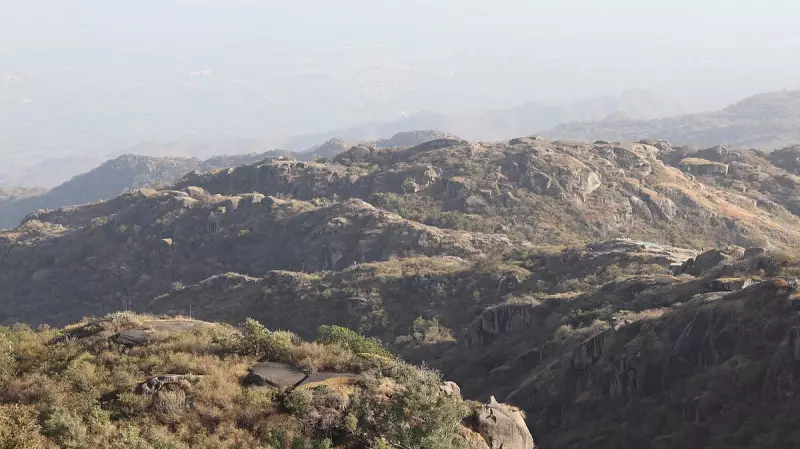
The Aravalli hills, among the world's oldest fold mountain ranges, are an ecological lifeline for North India. Their importance extends far beyond their mineral wealth. The range is vital for:

- Conserving a vast array of flora and fauna.
- Recharging aquifers and supporting water security for millions.
- Preventing the eastward expansion of the Thar Desert.
- Providing a green lung and combating air pollution in the National Capital Region.
The Centre's decision to impose a complete ban on new mining leases is a direct acknowledgment of these irreplaceable ecological services, prioritising them over short-term resource extraction.
Implications and the Path Forward
This directive, dated 24 December 2025, now places the onus on state governments to implement the ban effectively. It signals a major shift in policy focus from exploitation to preservation. Environmental experts have hailed the move as a crucial step in reversing the degradation that parts of the range have suffered due to unchecked mining and urban encroachment over decades.
The success of this initiative will depend on rigorous monitoring and enforcement by state authorities. The Centre's stance makes it clear that the protection of the Aravalli's fragile ecology is non-negotiable and central to sustainable development in the region. This policy is expected to bolster conservation efforts and provide a legal backbone for ongoing projects aimed at restoring the hills' natural landscape.