For years, dentist Ismet Booley in Cape Town faced a professional nightmare. Patients would arrive for crucial appointments, only to be turned away because the electricity had failed. Without power, his clinic couldn't operate X-ray machines, perform fillings, or conduct root canals. "I just couldn't work," he recalls, a sentiment shared by millions across South Africa.
From Darkness to Light: The Solar Surge
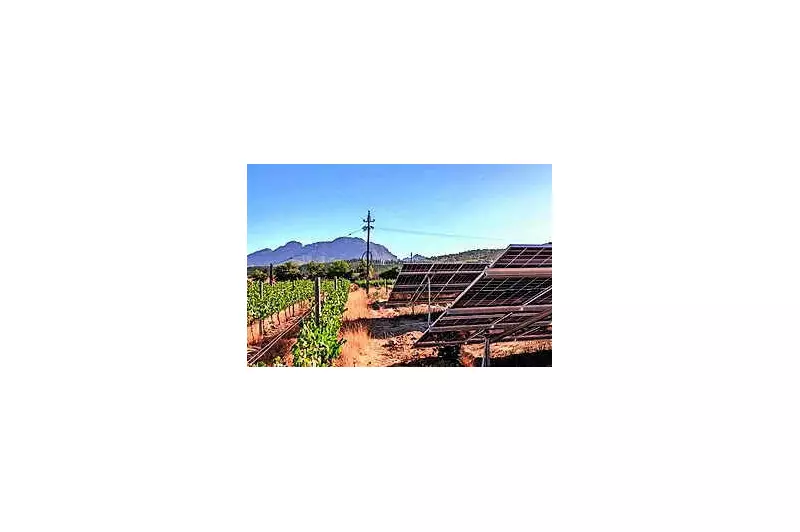
Today, a powerful solution is illuminating homes and businesses. South Africans, tired of relentless power cuts, are increasingly harnessing the sun's energy. The catalyst? Swiftly falling prices of Chinese-made solar panels and batteries. This isn't about small solar lanterns, but sophisticated systems powering everything from auto factories and gold mines to wineries and shopping malls.
This shift is fundamentally altering daily life, trade, and industry in Africa's largest economy. Solar power's contribution has skyrocketed from almost nothing in 2019 to approximately 10% of South Africa's total electricity-generating capacity. This marks a decisive move away from sole dependence on aging, coal-burning power plants that have supplied electricity for over a century.

A Continent-Wide Shift Powered by China
The transformation in South Africa is a microcosm of a broader African trend. Central to this change is China's ambition to dominate the global clean energy sector. Over the past decade, while other nations increased fossil fuel exports, China concentrated on becoming the world leader in renewables. Chinese manufacturers now produce such a vast majority of the world's solar panels, electric vehicles, and batteries that they are aggressively cutting prices and seeking new markets.
While tariffs have limited their growth in the United States and Europe, Africa presents a massive opportunity. Here, about 600 million people lack reliable electricity. According to data analyzed by the British energy-tracking group Ember, solar imports from China to Africa rose by 50% in the first ten months of 2025.
South Africa is the largest importer, but not alone. Sierra Leone imported solar equipment equivalent to over half its current power capacity, and Chad imported nearly half. For China, the benefits are multifaceted, encompassing new commercial markets and expanding geopolitical influence.
Beyond Exports: Building the Future Grid
Chinese involvement extends far beyond selling equipment. State-owned companies like Power China are actively constructing utility-scale solar farms in South Africa and other developing economies. Furthermore, China is now bidding on critical infrastructure contracts from South Africa's state utility, Eskom.
These contracts involve adding 14,000 kilometres of new transmission lines, essential for distributing the country's growing solar energy supply. Chinese state-owned firms are among several international companies competing for a share of South Africa's $25 billion grid expansion project. The proposed model often involves building the infrastructure and then earning revenue by operating it, a strategy China has employed in countries like Brazil and the Philippines.
This comprehensive approach—from supplying affordable panels to building large-scale farms and transmission networks—is cementing China's role in powering Africa's clean energy future, offering a tangible remedy to the chronic power problems that have long hampered development.