The Union government has taken serious note of a tragic incident involving elephants in Assam, directing state authorities to provide a detailed report. This action follows the death of elephants on railway tracks in the Hojai district, prompting immediate concern from the highest levels of the environment ministry.
Minister Yadav Directs Swift Action
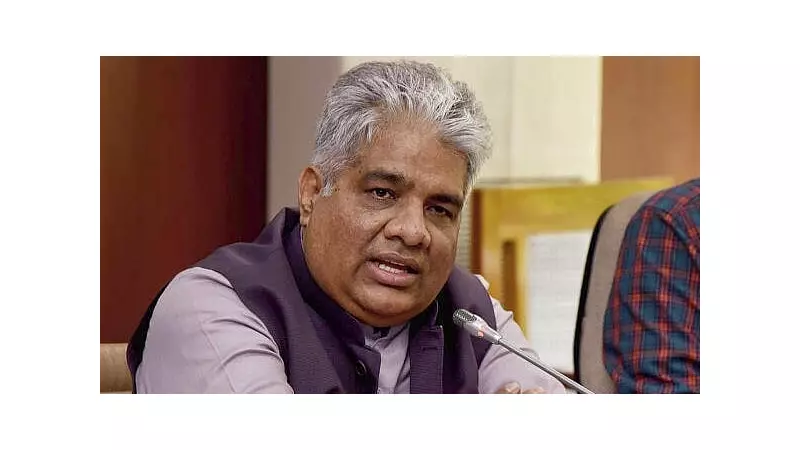
Union Minister for Environment, Forest and Climate Change, Bhupender Yadav, confirmed on 21 December 2025 that the Centre has sought a comprehensive report from the state government. The minister emphasized the urgency of the matter, highlighting the need for a thorough investigation into the circumstances that led to the fatalities.
In his statement, Yadav revealed a broader directive aimed at preventing such tragedies across the country. He stated that all states have been instructed to actively monitor elephant movement along railway tracks. This nationwide order underscores the growing concern over the increasing conflict between wildlife corridors and expanding rail infrastructure.

The Hojai Incident and Wider Implications
The specific incident that triggered this response occurred in Assam's Hojai district. While the exact number of elephants killed was not detailed in the initial announcement, the loss of any of these protected animals is a significant event for conservation efforts. Elephant deaths due to train collisions have been a persistent and heartbreaking issue in several parts of India, particularly in regions like Assam where railway lines cut through vital forest corridors and habitats.
This directive from the Centre signals a proactive approach to mitigating human-wildlife conflict. Monitoring movement is a critical first step, which could lead to the implementation of more concrete measures such as:
- Speed restrictions for trains in identified elephant corridors.
- Enhanced early warning systems using technology and forest patrols.
- Better coordination between railway authorities and forest departments.
A Push for Coexistence and Safety
The call for a report and the instruction for nationwide monitoring represent a dual strategy: accountability for the recent incident and prevention for the future. The move has been welcomed by wildlife activists who have long advocated for stricter protocols to protect elephants and other animals from such accidents.
The effectiveness of this order will now depend on its execution at the state level. The Assam government's report will be closely scrutinized, and the adherence of all states to the monitoring directive will be key. The ultimate goal, as underscored by Minister Yadav's intervention, is to find a sustainable balance between development infrastructure and the imperative of wildlife conservation, ensuring the safety of both elephants and railway operations.