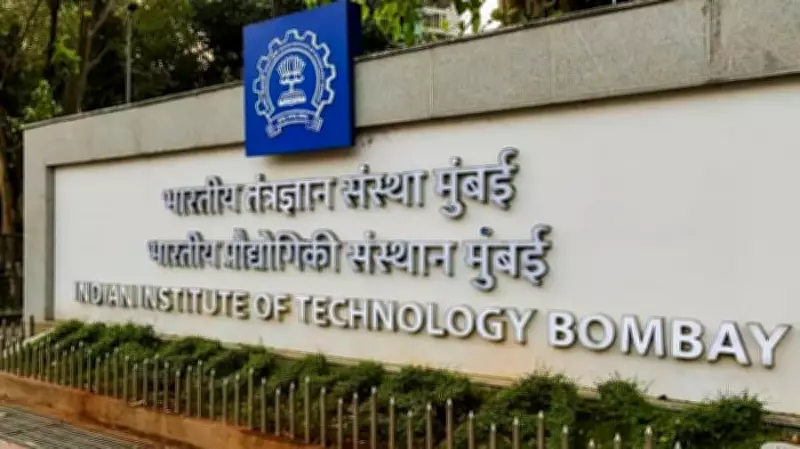
IIT Bombay has commissioned a new Carbon Capture, Utilization, and Storage (CCUS) field laboratory in Mumbai, marking a significant step in India's fight against climate change. The facility, inaugurated recently, is the first of its kind in the country and aims to develop and test technologies that capture carbon dioxide emissions from industrial sources.
Advancing Carbon Capture Technology
The CCUS field lab at IIT Bombay will focus on research and development of innovative methods to capture CO2 from power plants and other heavy industries. The captured carbon can then be utilized for producing valuable products or stored securely underground. This initiative aligns with India's commitment to reducing greenhouse gas emissions and achieving net-zero targets by 2070.
Key Features of the Facility
- State-of-the-art equipment: The lab is equipped with advanced monitoring systems and capture modules to test various carbon capture techniques.
- Collaborative research: It will serve as a hub for scientists, engineers, and industry partners to collaborate on scalable solutions.
- Educational opportunities: The facility will also provide training for students and researchers in carbon management technologies.
Impact on Climate Goals
The commissioning of this lab is expected to accelerate the deployment of CCUS technologies in India. By demonstrating effective carbon capture methods, the lab will help reduce the carbon footprint of industrial sectors. Experts believe that widespread adoption of CCUS could significantly contribute to global climate mitigation efforts.

Speaking at the inauguration, officials highlighted the importance of such initiatives in bridging the gap between research and practical application. The lab is part of a broader national strategy to promote sustainable development and clean energy transitions.
Future Plans
IIT Bombay plans to expand the lab's capabilities in the coming years, including pilot projects with local industries. The institute also aims to collaborate with international research organizations to share knowledge and best practices. This field lab represents a crucial investment in India's green future, fostering innovation in carbon management.