

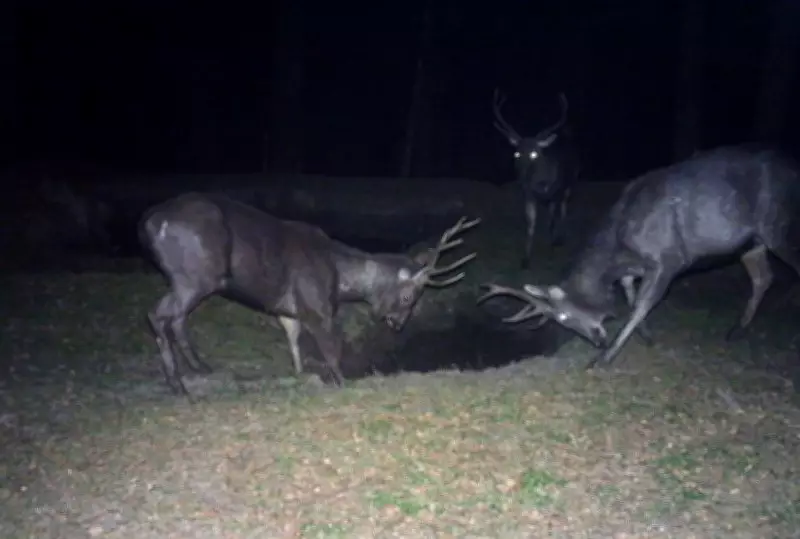
First Camera Trap Captures Sambar Deer in Himachal's Kalatop-Khajjiar Sanctuary
In a groundbreaking development for wildlife conservation in Himachal Pradesh, a camera trap has successfully captured images of sambar deer for the first time in the Kalatop-Khajjiar Wildlife Sanctuary. This marks a significant milestone in monitoring and protecting the region's biodiversity, providing crucial data for forest officials and researchers.
Details of the Camera Trap Discovery
The camera trap, strategically placed by the state's forest department as part of an ongoing wildlife surveillance initiative, recorded the presence of sambar deer in the sanctuary's dense forest areas. Sambar deer, known scientifically as Rusa unicolor, are one of the largest deer species in India and are typically found in various habitats across the country, but their confirmed presence in this sanctuary had not been documented until now.
This discovery is particularly important because it enhances our understanding of the sanctuary's ecosystem and helps in assessing the health of wildlife populations. The images captured show the deer in their natural habitat, allowing experts to study their behavior, movement patterns, and potential threats they might face.

Implications for Conservation Efforts
The successful use of camera traps in the Kalatop-Khajjiar Wildlife Sanctuary underscores the effectiveness of modern technology in wildlife monitoring. Key benefits include:
- Improved Data Collection: Camera traps provide non-invasive methods to gather accurate information on animal presence and numbers.
- Enhanced Protection: By identifying species like sambar deer, authorities can tailor conservation strategies to safeguard these animals from poaching and habitat loss.
- Research Opportunities: This data supports scientific studies on biodiversity and ecosystem dynamics in Himachal Pradesh.
Forest officials have expressed optimism that this finding will lead to more comprehensive surveys and potentially reveal other undocumented species in the sanctuary. The Kalatop-Khajjiar area, known for its scenic beauty and rich flora, is now gaining recognition for its faunal diversity as well.
Background on Kalatop-Khajjiar Wildlife Sanctuary
Located in the Chamba district of Himachal Pradesh, the Kalatop-Khajjiar Wildlife Sanctuary spans approximately 30 square kilometers and is part of the larger Himalayan ecosystem. It is home to a variety of wildlife, including:
- Leopards
- Black bears
- Various bird species
- Now, confirmed sambar deer populations
The sanctuary's diverse habitats, ranging from dense deodar forests to grassy meadows, make it an ideal location for such wildlife discoveries. This recent camera trap success highlights the ongoing efforts by the Himachal Pradesh forest department to leverage technology for conservation, aligning with broader national goals to protect India's natural heritage.
Moving forward, officials plan to expand camera trap networks and conduct regular monitoring to track wildlife trends and ensure the long-term preservation of species like the sambar deer in this ecologically significant region.






