Artificial Water Pits Offer Crucial Relief to Wildlife in Coastal Karnataka's Intense Summer
As summer temperatures soar across coastal Karnataka, a vital initiative is ensuring that wildlife has access to much-needed hydration. The artificial water pit project, spearheaded by the National Environment Care Federation (NECF) in partnership with the forest department, is being significantly expanded in the Byndoor and Kundapur regions to combat the harsh seasonal conditions.
Hydration Points Built to Support Animals and Birds
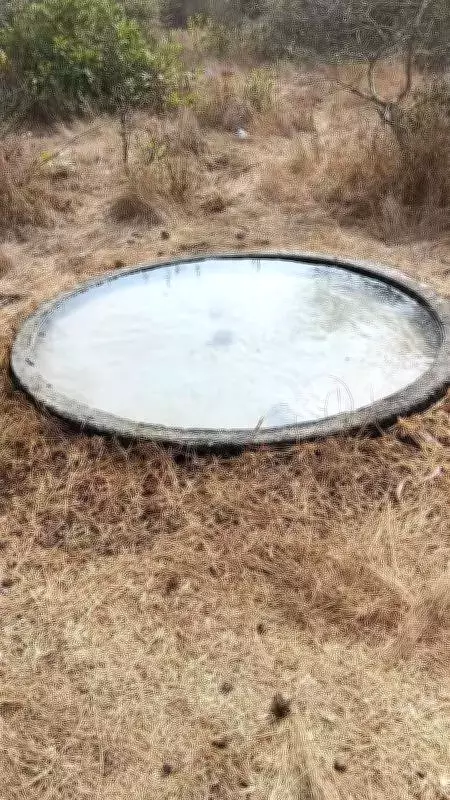
This innovative project focuses on constructing small concrete water tanks in forest and fringe areas, creating reliable hydration points for local fauna. According to NECF president Jonas D'Souza, nine such units are already operational—seven in Byndoor and two in Kamalashile. Each compact structure measures approximately 1.5 feet in depth and 5 feet in diameter, designed to be highly effective in sustaining wildlife.
"Once filled, a pit can sustain wildlife for a week to a fortnight depending on the weather and consumption by animals," D'Souza explained, highlighting the project's efficiency. The approximate cost for building each unit is Rs 15,000, with funds currently being raised to construct at least six additional small tanks in Areshiroor to meet urgent needs.

Community Involvement and Innovative Monitoring
In some locations, the initiative has transformed into a community-driven effort. For instance, at Amparu, locals have connected a borewell directly to a pit, ensuring a steady and reliable water supply. NECF is also exploring advanced methods to study wildlife behavior, with plans to install cameras near the pits for experimental monitoring of animal movements.
"We are considering installing a camera near one of the pits, to monitor animal movement as part of an experimental study," said NECF honorary secretary Shashidhar Shetty, emphasizing the organization's commitment to research and conservation.
Future Plans and Environmental Awareness
Looking ahead, NECF, with support from the forest department, is considering establishing a Malabar giant squirrel park in Kundapur to further protect local species. Additionally, the organization is focusing on environmental education among students. Letters will be sent to the education department seeking permission to screen the film ‘Jalapata' in government schools across Dakshina Kannada in the next academic year.
Discussions with officials and school representatives are scheduled soon, as D'Souza noted, aiming to foster greater awareness and engagement in conservation efforts among the younger generation.