In a major relief for Delhi's Ridge ecosystem, the Natural Conservation Zone (NCZ) protecting the Aravalli range and other ecologically sensitive areas across the National Capital Region (NCR) is set to remain part of the Regional Plan 2041, ending years of uncertainty over proposals to dilute the safeguard.
The proposal is expected to be considered at the upcoming meeting of the National Capital Region Planning Board on June 16. According to the agenda circulated for the meeting, the existing NCZ provisions under the Regional Plan 2021 will be retained in the new regional blueprint.
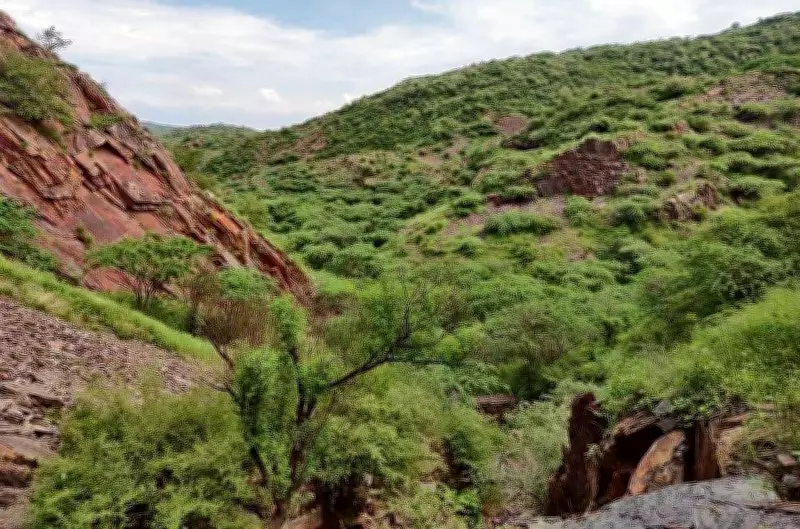
For Delhi, the decision carries particular significance as the Delhi Ridge, often referred to as the Capital's 'green lung', forms the northernmost extension of the Aravalli range. The Ridge plays an important role in maintaining ecological balance, supporting biodiversity and providing a natural green buffer in an increasingly urbanised city.

The NCZ framework covers environmentally sensitive areas, including ridge regions, forests, rivers, lakes and other water bodies across the NCR. It places restrictions on non-forest activities and regulates development in these areas in accordance with the existing environmental laws, notifications and court directions.
Officials said the continued protection of the NCZ would support Delhi's efforts to preserve green cover, strengthen ecological resilience and safeguard natural assets such as the Ridge, forests and water bodies amid growing urbanisation pressures.
The move comes after years of debate over proposals in the draft Regional Plan 2041 that sought to replace the term 'Natural Conservation Zone' with 'Natural Zone'. The proposed changes had triggered objections from environmental groups and residents who argued that weakening the terminology could dilute protections for the Aravalli ecosystem and other sensitive landscapes.
The retention of the NCZ is also significant at a time when Delhi and the wider NCR are grappling with environmental challenges, including air pollution, shrinking natural habitats and increasing pressure on land resources. Environmentalists have long argued that conserving the Aravalli ecosystem and the Delhi Ridge is critical for maintaining biodiversity, supporting groundwater recharge and limiting the spread of dust towards the Capital.
The agenda also proposes the introduction of mechanisms such as Transferable Development Rights (TDRs) and Special Development Rights to encourage conservation of environmentally sensitive land while providing incentives to landowners.
If approved by the NCRPB, the proposal would ensure that environmental safeguards for the Aravalli landscape, including the Delhi Ridge, continue under the NCR's long-term development framework while balancing conservation priorities with future urban growth.