

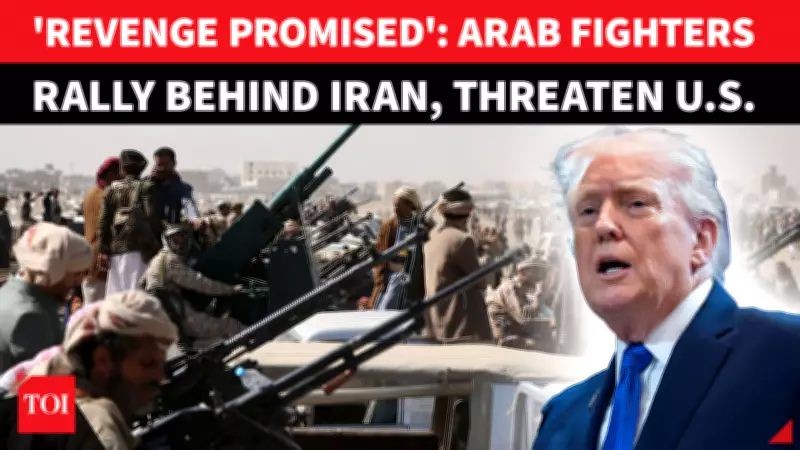
Arab Nation Erupts Against U.S., Hints at 'Fight Until Tehran' Gets Nukes
In a dramatic escalation of regional tensions, hundreds of Houthi supporters rallied in Yemen's capital, Sanaa, on March 8, 2026, in a powerful show of solidarity with Iran and Lebanon. The demonstration, marked by flag-burning and fervent chants, underscored the deepening rift between the so-called "Axis of Resistance" and the U.S.-Israeli alliance.
Protesters vehemently denounced Western criticism of Iran's military posture and nuclear ambitions, with slogans echoing support for Tehran's strategic goals. The rally highlighted the growing alignment among groups opposing American and Israeli influence in the Middle East.
Houthi Leader Declares Readiness for Military Escalation
Abdul Malik al-Houthi, the prominent Houthi leader, delivered a stark warning during the event, declaring that his fighters are prepared to escalate militarily in defense of Iran if necessary. In a statement that resonated through the crowd, he asserted, "Our hands are on the trigger," signaling a potential increase in hostilities should the conflict intensify.

This declaration comes amid ongoing confrontations between Iran and the U.S.-Israeli coalition, with recent reports of missile strikes and military engagements across the region. Al-Houthi's remarks suggest a willingness to directly involve Yemeni forces in broader regional conflicts, potentially expanding the scope of current hostilities.
Context of Regional Conflict and Nuclear Ambitions
The rally and al-Houthi's statements occur against a backdrop of heightened tensions, as Iran continues to pursue its nuclear program despite international scrutiny. The "Axis of Resistance," which includes groups like Hezbollah and the Houthis, has consistently opposed Western interventions, framing their struggle as a defense against imperialism.
Recent incidents, such as alleged missile attacks on U.S. assets and Israeli cities, have fueled fears of a wider war. The Houthi demonstration in Sanaa serves as a reminder of the complex alliances and volatile dynamics at play, with Arab nations increasingly vocal in their support for Iran's strategic objectives.
As the situation evolves, the international community watches closely, concerned about the implications for global security and the potential for further escalation in one of the world's most unstable regions.






