Arab League Chief Asserts Russia's Invincibility in Ukraine Conflict
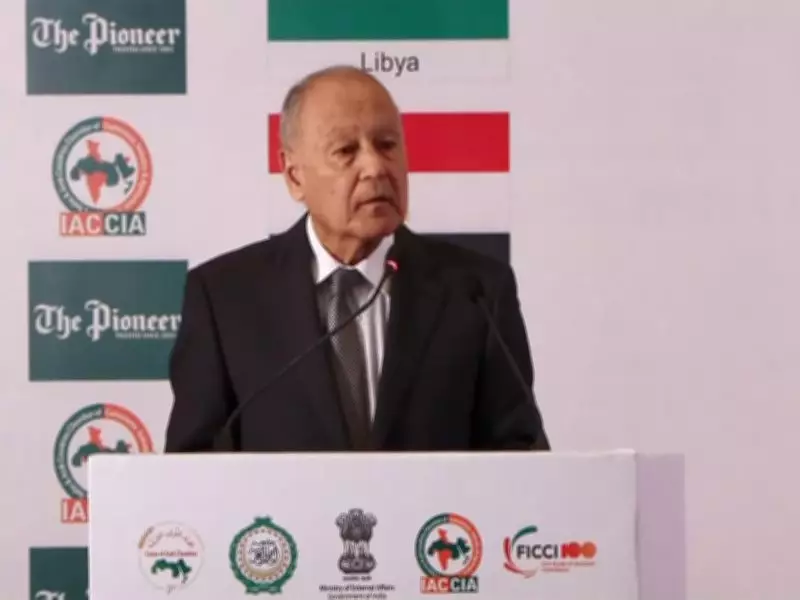
In a significant statement that has drawn international attention, Ahmed Aboul Gheit, the Secretary-General of the Arab League, has declared that no one can defeat Russia in the ongoing war in Ukraine. This remark underscores the complex geopolitical dynamics surrounding the conflict and reflects the Arab world's perspective on the matter.
Call for Diplomacy to End the War
Aboul Gheit emphasized the urgent need for a diplomatic solution to bring an end to the hostilities. He argued that continued fighting is unlikely to yield a decisive victory for either side and could prolong suffering and instability. The Arab League chief's comments come at a time when global efforts to mediate the conflict have faced numerous challenges, with peace talks stalling and military engagements intensifying.
His stance highlights the Arab League's position, which often advocates for dialogue and negotiation over military confrontation. This approach aligns with the organization's broader goals of promoting stability and cooperation in the Middle East and beyond.

Regional Implications and Concerns
The statement also points to the broader implications of the Ukraine war for the Arab world. Key concerns include:
- Economic impacts: Disruptions in global supply chains, particularly for energy and food, which affect many Arab nations.
- Geopolitical shifts: Changing alliances and power balances that could influence regional security.
- Humanitarian issues: The plight of civilians caught in the conflict, resonating with similar crises in the Middle East.
Aboul Gheit's remarks may signal a cautious approach by Arab states, who are navigating their relationships with both Russia and Western powers involved in the conflict.
Background on Ahmed Aboul Gheit and the Arab League
Ahmed Aboul Gheit, a seasoned Egyptian diplomat, has served as the Secretary-General of the Arab League since 2016. The Arab League, founded in 1945, is a regional organization of Arab states aimed at fostering economic, cultural, and political cooperation. Its members often seek to present a unified stance on international issues, though internal divisions can sometimes complicate this.
In this context, Aboul Gheit's statement is seen as an attempt to articulate a collective Arab viewpoint on the Ukraine war, balancing pragmatic assessments of military realities with calls for peace.
Global Reactions and Future Outlook
The declaration has sparked varied reactions worldwide. Some analysts view it as a realistic assessment of the conflict's stalemate, while others criticize it as potentially undermining support for Ukraine. Regardless, it adds to the ongoing discourse on how to resolve one of the most significant conflicts of the 21st century.
Looking ahead, the Arab League's push for diplomacy could influence international mediation efforts, though significant hurdles remain. The war's outcome will likely have lasting effects on global order, making such statements from key regional leaders like Aboul Gheit crucial in shaping the narrative and potential solutions.