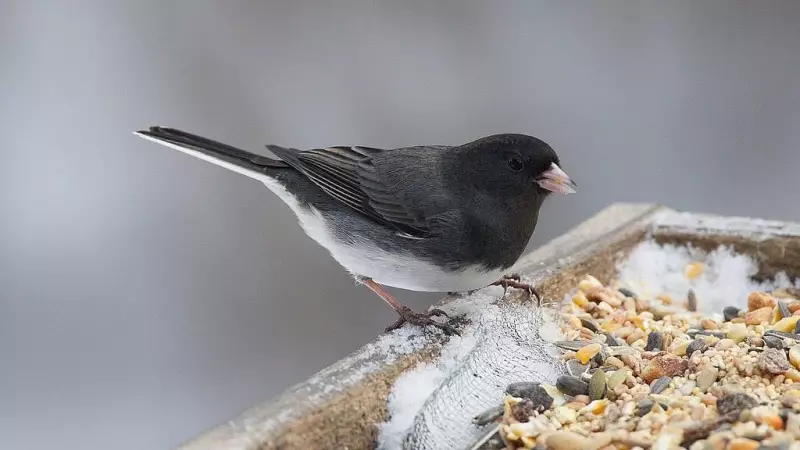
The global COVID-19 lockdowns, a period scientists termed the 'Anthropause,' did more than just quiet our cities. A fascinating new study reveals this unprecedented reduction in human activity triggered rapid, observable evolutionary changes in urban birds, specifically altering the shape of their beaks.
The Great Pause and Its Unexpected Subjects
During the strict lockdowns of 2020 and 2021, human movement ground to a near halt. Traffic vanished from streets, factories fell silent, and public spaces emptied. This period provided a unique, real-world experiment for scientists to observe how wildlife responds to a sudden absence of human pressures. Researchers turned their attention to a common urban dweller: the house sparrow (Passer domesticus).
The study, a collaborative effort involving institutions like the Indian Institute of Science (IISc), meticulously examined house sparrows in urban centres. The team focused on a key trait: beak morphology. Beak shape is not static; it is a crucial tool for survival that can evolve in response to dietary changes and environmental pressures.

Shifting Diets and Shifting Shapes
With restaurants closed, tourist spots deserted, and human food waste drastically reduced, the urban buffet that birds relied on disappeared. The primary finding was that the average beak shape of urban house sparrows became less deep and less long during the Anthropause. This shift indicates a move away from a diet dominated by processed human food—like leftover rice, bread, and garbage—which often requires stronger, deeper beaks to handle.
Instead, the birds were forced to revert to a more natural diet of seeds and insects found in their immediate environment. This natural diet favors different beak characteristics. The study suggests that the intense competition for suddenly scarce human food resources may have also played a role, favoring birds with beak shapes better suited for alternative food sources.
Evidence of Rapid Evolutionary Response
What makes this discovery remarkable is the speed of the change. Evolutionary adaptations are often thought to occur over generations, but this study documented a significant shift within just a couple of years. This provides concrete evidence of rapid contemporary evolution in action, directly driven by human behavior.
The researchers employed advanced morphological analysis, comparing beak measurements from sparrows before, during, and after the peak lockdown periods. The data clearly charted the morphological change coinciding with the Anthropause, ruling out other seasonal or random factors.
Implications for Urban Wildlife and Ecology
The findings have profound implications for our understanding of urban ecosystems. They demonstrate that urban animal populations are not just surviving in our cities but are constantly and quickly adapting to the rhythms of human life. The Anthropause acted as a 'rewind' button, momentarily reversing some of the evolutionary pressures imposed by urbanization.
This research highlights the incredible plasticity and resilience of species like the house sparrow. However, it also underscores how profoundly and directly human activity shapes the biology of the creatures we share our spaces with. The study opens doors to further questions: Will these beak changes persist as human activity has returned to normal? How do other urban species respond to such sudden shifts?
Ultimately, the COVID-19 lockdowns were a tragic global event, but they offered an invaluable, unplanned glimpse into the dynamic relationship between humans and urban wildlife. The humble house sparrow's changing beak stands as a powerful testament to the immediate impact our collective behavior has on the natural world, even within our concrete jungles.