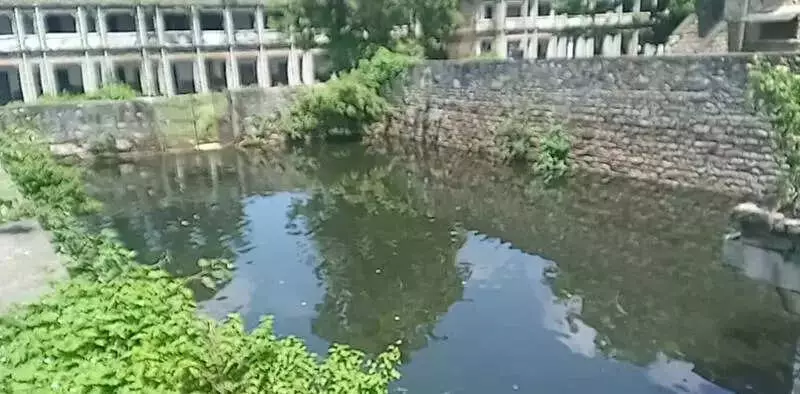
In a significant move towards water conservation and heritage preservation, a unique community-based pilot project to revive two historic stepwells, or baoris, has been launched in Ajmer. The initiative is a collaborative effort between the Ajmer Municipal Corporation (AMC), the local community, and the non-profit organization Participatory Research in Asia (PRIA) based in New Delhi.
Targeting Two Historic Water Bodies
The project will focus on two specific water bodies located within the AMC's jurisdiction: the TT College Baori and the Malusar Baori. Officials stated that these traditional water sources, like many others, have suffered from neglect over the years. The primary challenges include siltation, accumulation of solid and plastic waste, encroachment, and a general lack of regular maintenance. These factors have severely degraded their natural capacity to hold and recharge water.
Beyond Restoration: Building a Replicable Model
The objective of this pilot project extends far beyond the physical revival of just two stepwells. An AMC official emphasized that the core aim is to develop a sustainable community-led model that can be successfully applied to other baoris, ponds, and traditional water sources across the region. The initiative seeks to put key principles into practice, including rainwater harvesting, groundwater recharge, and fostering a sense of community responsibility towards shared water heritage.

PRIA New Delhi is playing a crucial role in strengthening the process by facilitating participatory research, community dialogue, and co-creation among all stakeholders. This ensures that the revival plan is not imposed but developed with the active involvement of the people who live around these baoris.
Documentation and Public Access
To ensure the learnings from this pilot benefit a wider audience, the project will be thoroughly documented. An official confirmed that all documented material from the initiative will be made publicly accessible. This transparency aims to share the experiments, successes, and challenges with the general public, potentially guiding similar restoration efforts in other parts of the country facing water scarcity and heritage decay.
The launch of this project on Monday marks a proactive step in blending traditional water wisdom with modern participatory approaches to solve contemporary environmental issues.