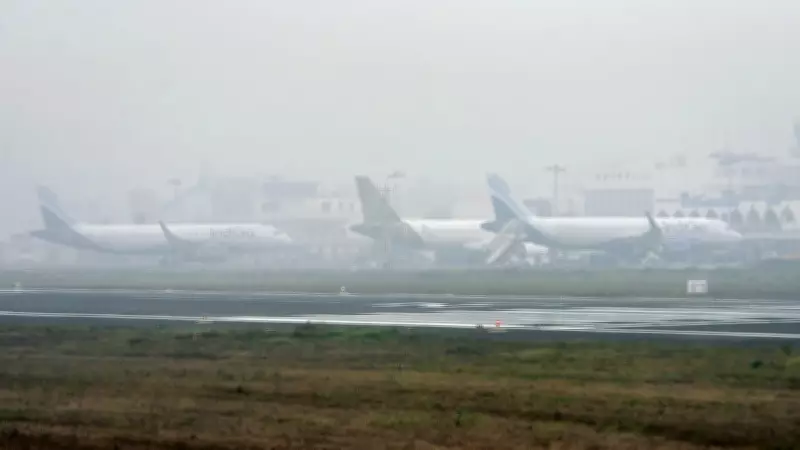
Major Airlines Suspend Middle East Routes Amid Widespread Airspace Restrictions
In a significant development affecting global aviation, major airlines worldwide have announced the suspension or rerouting of flights to and through the Middle East. This decision comes in response to widespread airspace restrictions imposed by several countries in the region, following the escalating conflict between Iran and Israel. The disruptions are causing substantial travel delays and logistical challenges for passengers and cargo operations alike.
Impact on Global Aviation Networks
The airspace closures and restrictions have forced carriers to cancel numerous routes, particularly those traversing Iranian and Israeli airspace. Airlines such as Emirates, Qatar Airways, and Lufthansa have issued advisories, warning passengers of potential schedule changes and cancellations. The suspensions are not limited to direct flights to conflict zones but also affect connecting routes that rely on these air corridors for efficient travel between continents.
Safety concerns are cited as the primary reason for these measures, with aviation authorities emphasizing the need to avoid potential risks in volatile regions. The International Air Transport Association (IATA) has urged airlines to exercise caution and comply with national directives regarding airspace usage.

Economic and Logistical Ramifications
The flight suspensions are expected to have a ripple effect on the global economy, particularly in sectors dependent on air freight. The Middle East serves as a critical hub for international trade, and disruptions in air cargo services could lead to delays in the delivery of goods, from perishable items to essential medical supplies.
Travel industry analysts predict that the route changes will result in longer flight times and increased operational costs for airlines, which may eventually translate into higher ticket prices for consumers. Additionally, tourism in the region is likely to suffer, with many travelers opting to postpone or cancel their plans due to safety apprehensions.
Regional and International Responses
Governments across the Middle East have implemented temporary airspace restrictions to safeguard civilian aviation. Countries like Saudi Arabia, the United Arab Emirates, and Jordan have adjusted their flight paths to avoid areas of potential conflict. These measures are part of broader efforts to de-escalate tensions and prevent any accidental incidents involving commercial aircraft.
The United Nations and other international bodies have called for restraint and dialogue to resolve the Iran-Israel conflict, highlighting the broader implications of such disputes on global stability and connectivity. Aviation experts stress that the resumption of normal flight operations will depend heavily on diplomatic progress and the restoration of confidence in regional security.
Looking Ahead: Challenges and Adaptations
As the situation evolves, airlines are actively monitoring developments and adjusting their schedules accordingly. Passengers are advised to stay informed through official channels and consider flexible travel options. The aviation industry's ability to adapt to such crises will be tested, with innovations in route planning and risk assessment likely to play a key role in mitigating future disruptions.
In conclusion, the suspension of Middle East routes by major airlines underscores the profound impact of geopolitical conflicts on global aviation. While safety remains paramount, the economic and social consequences of these disruptions will be felt worldwide, emphasizing the need for swift and peaceful resolutions to international disputes.