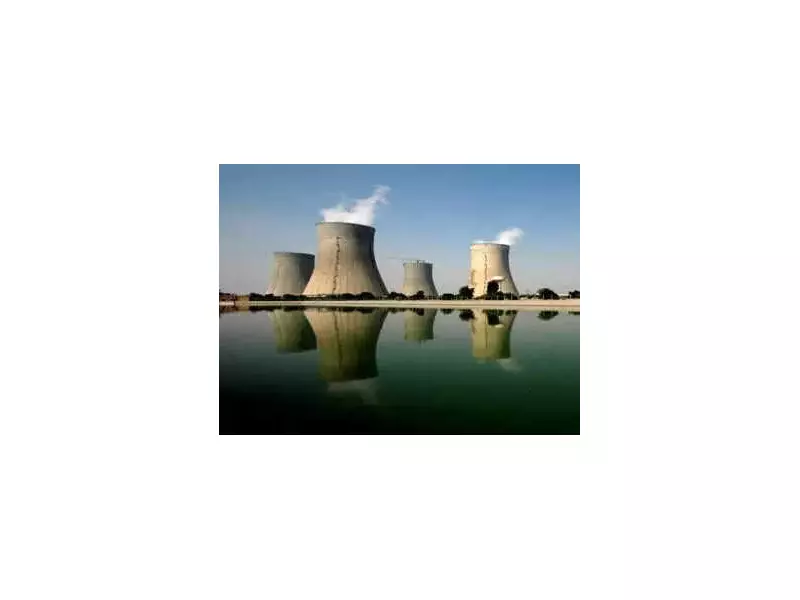
The Commission for Air Quality Management (CAQM) has cracked down on six thermal power plants (TPPs) located within a 300-kilometer radius of Delhi for their unsatisfactory performance in using biomass pellets. The regulatory body has issued show-cause notices and proposed imposing a hefty cumulative environmental compensation (EC) of Rs 61.8 crore on these plants for the 2024-25 period.
The Six Defaulting Power Plants and Their Proposed Fines
The commission found that biomass co-firing levels at these plants were significantly below the mandated thresholds. The six plants include three in Haryana, two in Punjab, and one in Uttar Pradesh.
The highest penalty of Rs 33 crore has been proposed for Talwandi Sabo Power Ltd in Banawali village, Mansa district, which is Punjab's largest independent thermal power plant. The other Punjab-based plant, the Guru Hargobind Thermal Power Plant in Leghra Mohabat village, Bathinda, faces an EC of nearly Rs 4.9 crore.

In Haryana, the three plants facing penalties are:
- Panipat Thermal Power Station (Rs 8.9 crore)
- Deenbandhu Chhotu Ram Thermal Power Station in Yamunanagar (nearly Rs 6.7 crore)
- Rajiv Gandhi Thermal Power Plant in Hisar (Rs 5.5 crore)
The sole plant in Uttar Pradesh, the Harduaganj Thermal Power Station, has been lined up for an environmental compensation of Rs 2.7 crore.
The Mandate and the Objective Behind the Rules
The action stems from the Environment (Utilisation of Crop Residue by Thermal Power Plants) Rules, 2023. These rules mandate all coal-based thermal power plants to utilise a minimum 5% blend of biomass pellets or briquettes made from crop residue along with coal. A minimum threshold of over 3% co-firing is prescribed to avoid the imposition of environmental compensation.
These statutory provisions were specifically notified with the key objectives of promoting the management of paddy straw, reducing the widespread practice of stubble burning, and consequently mitigating severe air pollution in the National Capital Region (NCR) and its adjoining areas. The CAQM has been issuing multiple statutory directions on this matter since 2021.
Consistent Non-Compliance Leads to Strict Action
CAQM stated that after an intensive review of compliance, it observed a major lag in the performance of these plants. Following this, in early 2024, the commission issued notices under the CAQM Act-2021 to plants whose performance had remained consistently poor since the exercise began.
A dedicated committee was also constituted to examine the representations made by the non-compliant thermal power plants. The plants have now been directed to submit their written explanations in response to the show-cause notices. The commission has warned that failure to do so will lead to the initiation of further action.
This move underscores the government's stricter enforcement approach towards combating seasonal air pollution, which is largely exacerbated by agricultural stubble burning in the northern states. By compelling power plants to co-fire biomass, the policy aims to create a sustainable market for crop residue, offering farmers an alternative to burning it openly.