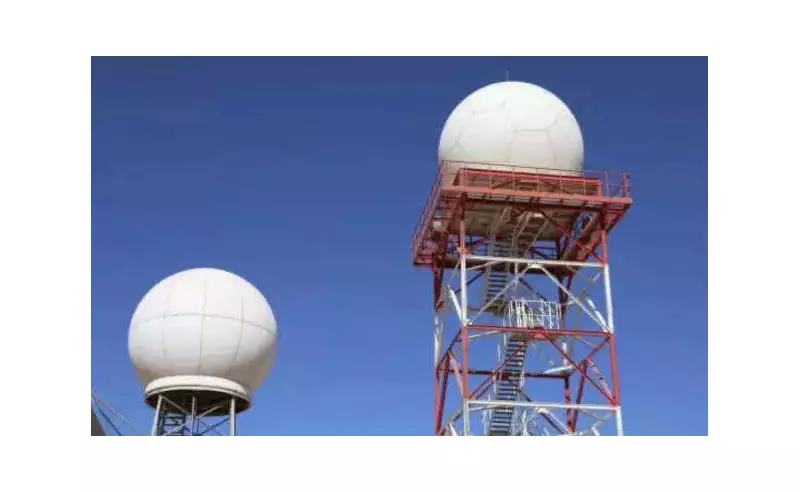
The state of Tamil Nadu is set to significantly enhance its meteorological capabilities with the installation of five new Doppler weather radars. This strategic move aims to bolster cyclone tracking and improve the precision of weather forecasts and early warning systems across the region.
Locations and Funding for the New Radar Network
Union Minister of State for Science and Technology and Earth Sciences, Jitendra Singh, recently informed Parliament about the planned installations. The new Doppler radars will be established at five specific locations: Kanyakumari, Trichy, Coimbatore, Yercaud, and Ramanathapuram.
Minister Singh clarified the funding mechanism for this critical infrastructure. Three of the radars will be set up under Mission Mausam, while the remaining two will be installed through a government initiative coordinated by the Tamil Nadu disaster risk reduction agency.

Addressing Gaps in the Current Coverage
Presently, Tamil Nadu's weather monitoring relies on a network of eight Doppler radars situated both within the state and in neighbouring areas. This existing setup includes:
- Two radars in Chennai: an older S-band radar at Chennai Port and an X-band radar at the National Institute of Ocean Technology (NIOT).
- Coastal coverage from an S-band radar at Sriharikota, a C-band radar at IGCAR in Kalpakkam, and an S-band radar at Karaikal.
- Monitoring of interior parts via a C-band radar in Thiruvananthapuram, an S-band radar in Kochi, and a C-band radar in Sulur.
Despite this network, officials have identified significant coverage gaps. Central districts like Trichy and southern districts such as Kanyakumari remain inadequately covered. These regions are particularly vulnerable to cyclones and experience substantial rainfall during both the southwest and northeast monsoons, making enhanced monitoring crucial.
National Context and Selection Criteria
This expansion is part of a broader national effort. Currently, a countrywide network of 47 Doppler radars provides weather coverage over approximately 87% of India's territory.
Explaining the rationale behind selecting the number and locations for new radars, Minister Singh outlined several key factors. The primary considerations include enabling round-the-clock surveillance of severe weather across the nation. The plan also calls for higher radar density in hilly regions, coastal areas, and major metropolitan cities due to their heightened vulnerability. Additional criteria involve replacing ageing radar systems, ensuring redundancy in highly vulnerable zones, and assessing the technical suitability of proposed sites.
The addition of these five advanced Doppler radars marks a substantial upgrade for Tamil Nadu's disaster preparedness infrastructure. By filling critical geographical gaps, the state will be better equipped to predict severe weather events, issue timely warnings, and ultimately safeguard lives and property from the impacts of cyclones and intense monsoon rainfall.