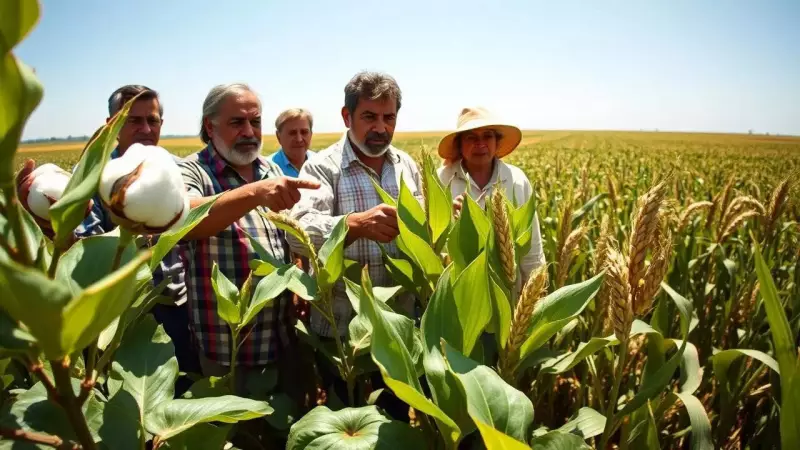
In a significant push for agricultural modernization and climate adaptation, Union Agriculture Minister Shivraj Singh Chouhan on Sunday unveiled a suite of 184 new varieties of 25 different crops. This initiative is strategically designed to enhance farm productivity, reduce input costs for cultivators, and address the mounting challenges posed by climate change.
A Diverse Basket of New Seeds for Farmers
The newly released varieties represent a broad spectrum of essential crops. The list includes 122 new varieties of cereal crops, with a major focus on rice (60 varieties) and maize (50 varieties). Notably, more than half of these cereal varieties—62 in total—belong to the coarse grains category, aligning with the government's increased emphasis on promoting nutri-cereals and crops that can withstand climatic stresses.
Beyond cereals, the release features 22 updated transgenic varieties of Bt cotton, which remains the only genetically modified crop approved for commercial cultivation in India. These new Bt cotton versions are engineered to offer higher yields and provide enhanced protection against pests, insects, and weeds, thereby reducing the overall cost burden on farmers.

The comprehensive package also includes 13 new oilseed varieties (such as mustard, safflower, and sesame), 6 pulse varieties, 11 fodder crops, 6 sugarcane varieties, and one variety each of jute and tobacco.
From Lab to Land: A Three-Year Target
The development of these seeds is a collaborative effort. The 184 varieties have been created by Indian Council of Agricultural Research (ICAR) institutions (60 varieties), state and central agricultural universities (62 varieties), and private seed companies (62 varieties). Minister Chouhan emphasized a strict "lab to land" timeline, directing officials to ensure these new varieties reach farmers for commercial cultivation within the next three years.
"Research is meaningful only when its benefits reach fields on time," Chouhan stated, underlining the government's commitment to translating scientific breakthroughs into tangible gains for the agricultural community.
Building a Climate-Resilient and Productive Future
The newly developed seeds are characterized as climate-friendly, high-yielding, and resistant to major pests and diseases. They have been specifically bred to tackle challenges like climate change, soil salinity, drought, and other biotic and abiotic stresses. Furthermore, they are intended to support natural and organic farming practices, offering sustainable solutions for India's diverse agro-climatic zones.
Highlighting India's agricultural journey, Chouhan noted the country's transformation from a food-deficit nation to a global food provider. He shared that India's rice production has reached 150 million tonnes, surpassing China's 145 million tonnes, thereby strengthening India's role as a crucial food supplier to the world.
This release continues a strong trend in agricultural innovation. Since the seed variety notification system began in 1969, a total of 7,205 crop varieties have been notified in India. Impressively, 3,236 of these were notified in just the last 11-12 years, with 1,661 varieties coming in the last five years alone, showcasing a rapidly accelerating focus on developing resilient and productive crops for Indian farmers.