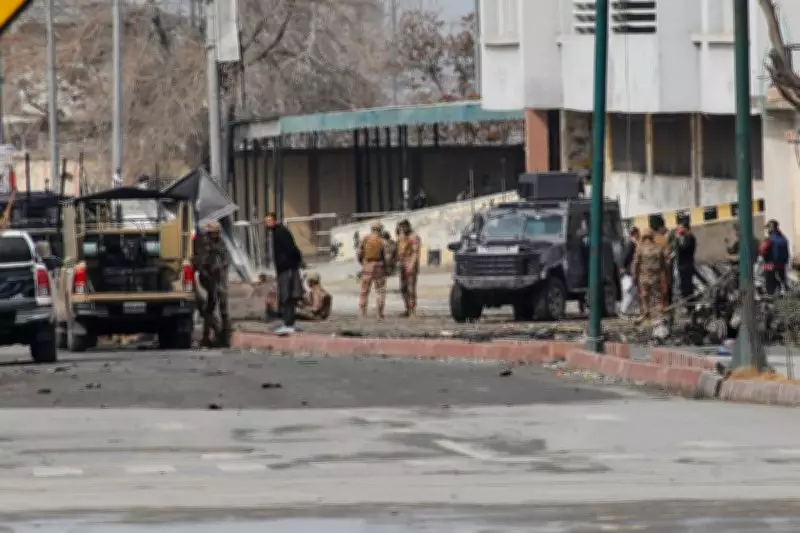
In a significant escalation of military activities in Pakistan's volatile Balochistan province, recent security operations have resulted in the deaths of 15 Pakistani soldiers and 92 militants. The operations, conducted by Pakistani security forces, targeted militant hideouts and strongholds across various districts of Balochistan, a region long plagued by insurgency and separatist movements.
Intense Clashes and High Casualty Figures
The security forces launched coordinated offensives in multiple areas, leading to fierce gun battles that lasted for several days. According to official reports, the militants, who were reportedly involved in attacks on security personnel and infrastructure, put up strong resistance. The high casualty count on both sides underscores the intensity of the confrontations and the determined efforts by the military to curb militant activities in the region.
Background of the Balochistan Conflict
Balochistan, Pakistan's largest province by area, has been a hotspot for separatist insurgency for decades. Various militant groups, seeking greater autonomy or independence, have frequently clashed with government forces. The province is rich in natural resources, including gas and minerals, but remains one of the country's poorest regions, fueling discontent and rebellion among local populations.

Impact on Regional Security
The recent operations are part of a broader strategy by Pakistani authorities to enhance security and stability in Balochistan. The deaths of 92 militants represent a major blow to insurgent networks, potentially disrupting their operational capabilities. However, the loss of 15 soldiers highlights the risks and challenges faced by security forces in combating well-entrenched militant groups in difficult terrain.
Government Response and Future Outlook
Pakistani officials have stated that these operations are necessary to protect national security and ensure the safety of civilians in Balochistan. They have vowed to continue such efforts until peace is restored. Analysts note that while military actions can achieve short-term gains, long-term stability in Balochistan may require addressing underlying socio-economic grievances and political dialogue with moderate elements.
The international community, including neighboring countries like India, often monitors developments in Balochistan due to its strategic location and implications for regional security. The recent casualties are likely to draw attention to the ongoing conflict and its humanitarian impact on local communities.