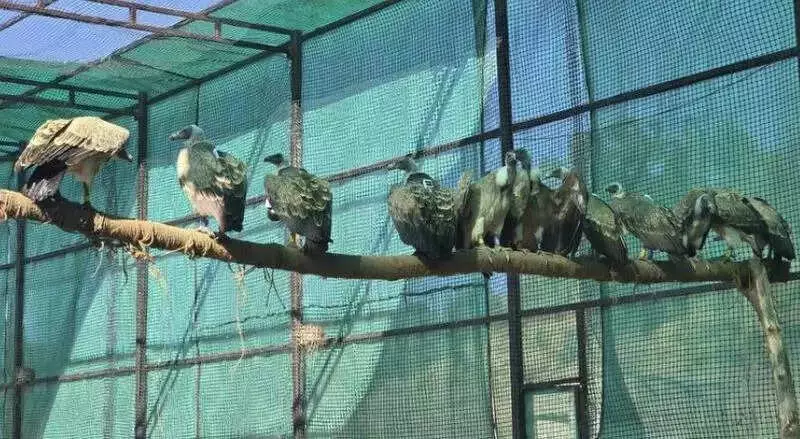
In a significant boost for wildlife conservation, the Bombay Natural History Society (BNHS) has successfully released fifteen critically endangered Indian vultures into the wild. The historic release took place at the Somthana Range within the Melghat Tiger Reserve (MTR) in Maharashtra.
A Carefully Planned Journey from Haryana to Melghat
The journey of these long-billed vultures began far from their new home. On April 23, the birds were carefully translocated from the Vulture Conservation Breeding Centre (VCBC) located in Pinjore, Haryana. Upon their arrival in Melghat, they were not released immediately. Instead, they were housed in a specially designed pre-release aviary. This crucial step, as explained by BNHS, allowed the vultures to gradually acclimatize to the local environment of their ancestral habitat.
Satellite Tracking and a Soft Release into Freedom
To ensure their safety and gather vital scientific data, all 15 vultures were fitted with GSM and satellite tags on December 19. This technology will enable conservationists to monitor the birds' movements, foraging patterns, and overall survival in the wild in real-time.

The actual release was a patient, soft process designed to minimize stress. On January 2, the gates of the aviary were opened remotely from a distance. Food was strategically placed outside to encourage the vultures to venture out on their own terms, a method that promotes natural adaptation.
Addressing Key Challenges for Survival
One of the biggest historical threats to vultures has been the veterinary drug diclofenac found in cattle carcasses. BNHS has proactively tackled this challenge to ensure a safe food supply for the released birds. Conservation biologist Bhaskar Das stated, "These challenges were addressed by establishing dedicated feeding stations and sourcing safe cattle carcasses through active partnerships with local gaushalas (cow shelters)."
The release event was carried out by BNHS director Kishor Rithe along with Somthana Range Forest Officer (RFO) Vinil Hatwar, and was witnessed by Assistant Conservator of Forests (ACF) Ganesh Tekade. The effort was supported by BNHS staff members including conservation biologist Sooryajith P and field assistant Lakhan Baasudev.
Expressing hope for the future, Director Kishor Rithe remarked, "Melghat has historically been a stronghold for long-billed vultures. We are optimistic that these released birds will re-learn to thrive here and help re-establish a viable population." This release marks a pivotal chapter in India's ongoing mission to pull its iconic vulture species back from the brink of extinction.