

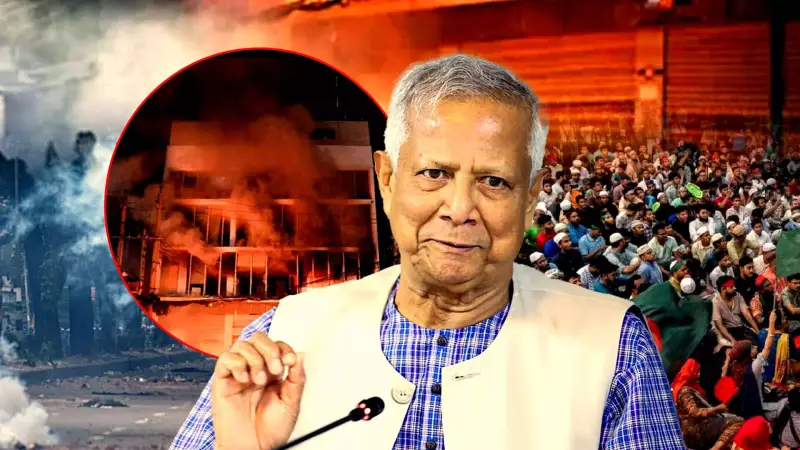
Bangladesh finds itself at a critical juncture of grief and tension following the violent death of a prominent youth leader. The nation's interim administration, led by Muhammad Yunus, is attempting to steer the country away from further chaos with appeals for peace and solemn gestures of mourning.
Nation Gripped by Grief and Anger
As public anger simmered over the slaying of youth leader Sharif Osman Hadi, the streets of Bangladesh witnessed spiraling protests on December 19, 2025. Demonstrations escalated into incidents of vandalism and even attacks on media institutions, reflecting the deep-seated political tensions and raw public sentiment.
In the face of this mounting unrest, interim leader Muhammad Yunus chose a path of conciliation. Rather than a confrontational stance, his response focused on acknowledging the national pain and attempting to lower the temperature. He personally conveyed his condolences to Hadi's bereaved family and made a significant pledge of long-term support for the slain leader's wife and child.

Official Response: Mourning and a Plea for Peace
The government's formal actions were swift and symbolic. Yunus announced a day of state mourning to honor Hadi. Official directives were issued for flags to be lowered at half-mast across the nation. In a move emphasizing unity across faiths, the government called for special prayers after Jummah (Friday prayers) for the Muslim community, with similar observances encouraged for other religions.
Yunus's public message was a direct appeal to the citizenry's better instincts. He called for both calm and courage during this volatile period. His words and actions were widely seen as an attempt to steady a nation that, in his assessment, was standing dangerously close to the edge of deeper instability.
A Nation at a Crossroads
The situation presents a severe test for the interim leadership. The spontaneous protests and acts of arson underscore the potent mix of sorrow and fury coursing through segments of the population. Yunus's strategy appears to be one of absorbing the shock and offering a dignified, unified outlet for grief through national mourning, while simultaneously pleading for non-violence.
Whether this approach of empathy and solemnity will succeed in quelling the street-level anger remains the central question. The coming days will be crucial in determining if Bangladesh can navigate this tragedy without descending into further violence, or if the political fissures exposed by Hadi's death will widen further.






