For centuries, birds have been celebrated as symbols of freedom, grace, and peace. Their morning songs and serene presence in trees have painted a picture of gentle innocence. However, a groundbreaking scientific discovery from a remote corner of the planet has dramatically reshaped this age-old perception, revealing a far more dangerous side to our feathered friends.
A Feathered Enigma in the New Guinea Forests
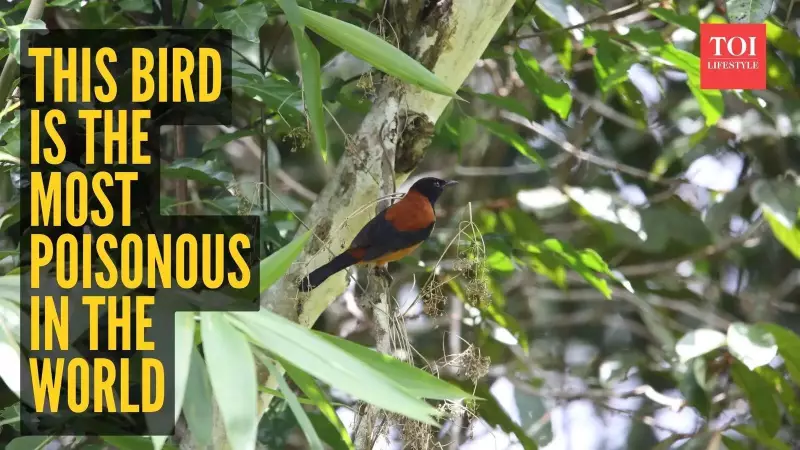
Deep within the lush rainforests of New Guinea lives a bird that defies conventional expectations. The hooded pitohui, with its striking bright orange body contrasted by a jet-black head, wings, and tail, is a visual standout. Researchers now understand this vivid colouration is not just for show; it acts as a potent warning signal to potential predators. This bird is not safe to eat.
The hooded pitohui has earned the formidable title of the most poisonous bird known to science. Unlike venomous creatures that inject toxins, the pitohui's defence is passive yet effective. The poison is not confined to internal organs but is secreted onto its skin and feathers. Simply touching the bird can cause an unpleasant reaction, making it a unique hazard in the avian world.

Shared Toxin: A Deadly Link to Poison Dart Frogs
What makes the hooded pitohui exceptionally unusual is the specific type of poison it carries. The toxin belongs to the batrachotoxin family. This is the same class of potent neurotoxins famously found in certain poison dart frogs native to the rainforests of South America.
Poison dart frogs are renowned for their extreme lethality, where a minuscule amount can be fatal to humans. While the hooded pitohui carries this toxin in smaller quantities, it is still powerful enough to cause numbness and a burning sensation upon contact. This parallel between a bird and a frog, separated by vast oceans, is a fascinating case of convergent evolution.
The Poisonous Diet: You Are What You Eat
A crucial revelation is that the hooded pitohui does not manufacture its own poison. The bird acquires its toxic defence entirely from its diet. According to a report by Discover Wildlife, the primary source is believed to be soft-winged flower beetles (Choresine genus) that inhabit the same forest ecosystem.
These beetles contain the batrachotoxin compounds, which accumulate in the bird's tissues over time. This dietary origin explains the remarkable connection with poison dart frogs, which also feed on similar toxic insects. Different animals, sharing a toxic menu, have independently evolved to harness these chemicals for survival.
Why Evolve to Be Poisonous?
The evolutionary advantages of carrying such toxins are multifaceted. The primary purpose is clearly defence against predators. The unpleasant taste and harmful effects teach predators to avoid the brightly coloured bird, significantly increasing its chances of survival.
Furthermore, evidence suggests the toxins serve a secondary, vital function: pest control. The poisonous feathers and skin create a hostile environment for external parasites like lice and mites. This natural chemical shield helps keep the bird healthy. Indigenous communities in New Guinea have long been aware of the bird's dangerous nature and wisely avoid consuming it, corroborating the toxin's protective role.
Human encounters with the hooded pitohui confirm its potent defence. Reports from ornithologists and even museum workers handling preserved specimens describe experiencing numbness and irritation after touching the bird's feathers. This real-world feedback underscores the tangible power of its unique adaptation.
This discovery of the hooded pitohui challenges our fundamental understanding of birds, transforming them from mere symbols of peace into complex examples of nature's ingenious and sometimes dangerous survival strategies. It stands as a powerful reminder of the countless secrets still hidden within the world's remaining wild places.