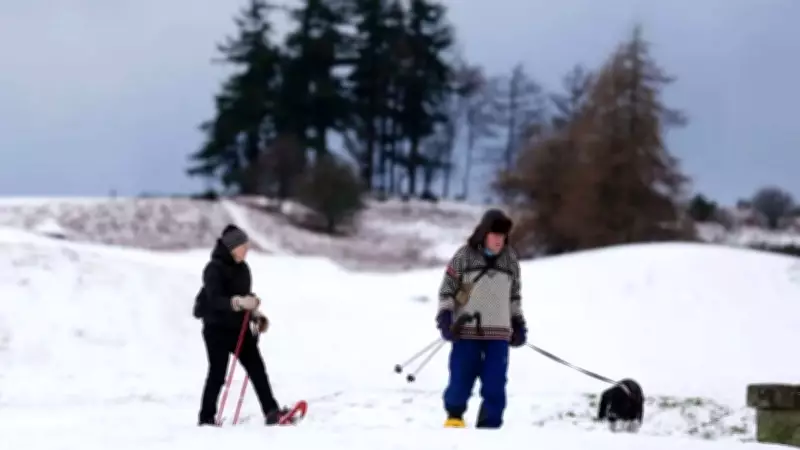
UK Braces for 36 Hours of Snow in May as Arctic Cold Blast Hits
Just as everyone was settling into spring, the weather in Britain has taken an unexpected turn. Weather forecasts show up to 36 hours of snow, frost, and icy blasts set to hit parts of England and Scotland this week. The warmer weather and sunshine of recent weeks have become a distant memory for now.
UK Weather Maps Show 36 Hours of May Snow: What's Happening?
According to The Mirror, cold air from the Arctic is barreling south, threatening at least 13 counties. Forecasters say snow will likely start falling in northern regions by Tuesday afternoon and could continue through Wednesday night, with some areas dropping near freezing after dark. Although May is supposed to bring longer days, flowers, and a sense of warming up, British weather often reminds us that winter can make a comeback whenever it wants. Meteorologists note that this cold spell fits into the long history of late spring surprises.
The Snow Alert: Which Places Might Be Hit?
Forecasts indicate that snow will likely affect parts of Scotland, northern England, Yorkshire, and County Durham. Towns like Harrogate, Darlington, Newcastle, and Durham could see extended periods of wintry showers as the cold pushes south. Higher ground is most likely to bear the brunt of the snowfall. Just a few nights ago, Scotland recorded its coldest May night in five years: Altnaharra in Sutherland dropped to -6.1°C. In Shetland, residents woke up to snow and frost. The Met Office has issued warnings, stating that most of Britain should expect colder-than-average temperatures, chilly winds, rain, and overnight frosts. While southern areas might see a few warmer days near 20°C later in the week, the north will remain cold.

Why Snow in May?
This situation raises a valid question: why is it snowing in May? The answer lies in northerly winds pulling icy air from the Arctic across the UK. When this cold air encounters passing rain systems, it results in sleet and snow, especially in elevated areas. Netweather highlighted that Scottish mountains and some northern regions could still see more snow as the week progresses. However, this is not expected to be a widespread blizzard. Instead, rolling bands of winter showers, including rain, hail, and occasional snow flurries, will occur. Strong winds and damp air will make it feel colder than the actual temperature. Another concern is frost: rural areas in Scotland and the north might dip well below zero at night, potentially damaging gardens and spring crops.
The History of Snow in May
While May snow might seem unusual, it has happened before in the UK. In May 1891, a cold snap brought snow as far south as London, just days after a heatwave. That event caused crop damage, travel disruptions, and ruined holidays. This year's cold spell is not expected to break records, but it serves as a reminder of how British weather can catch everyone off guard. Climate scientists note that unpredictable weather patterns, such as sudden cold after warmth, are becoming more common, even as overall temperatures rise.
Bracing for the Snow: Tips to Fight the Cold
What should you do during this May snow? First, it is not the week to stash away winter clothes. Households that have already turned off the heat might need to reconsider. If you plan to drive in northern England or Scotland, monitor weather updates closely. Icy roads pose risks, especially in the early morning or late evening. Anyone going outside should dress in layers, bring waterproofs, and be prepared for conditions to change hour by hour. With wind chill, it could feel much colder than the actual temperature. Do not forget pets: keep animals warm overnight, particularly in rural areas. Energy experts also advise checking heating systems and keeping essentials like blankets and torches ready, in case the cold snap causes disruptions. The good news is that forecasters expect the deep freeze to be short-lived. The Met Office says it should warm up again later in May, though conditions may remain unsettled and slightly cooler than average. For now, residents in England and Scotland should prepare to dig out their winter coats. It is probably not time for flip-flops just yet.