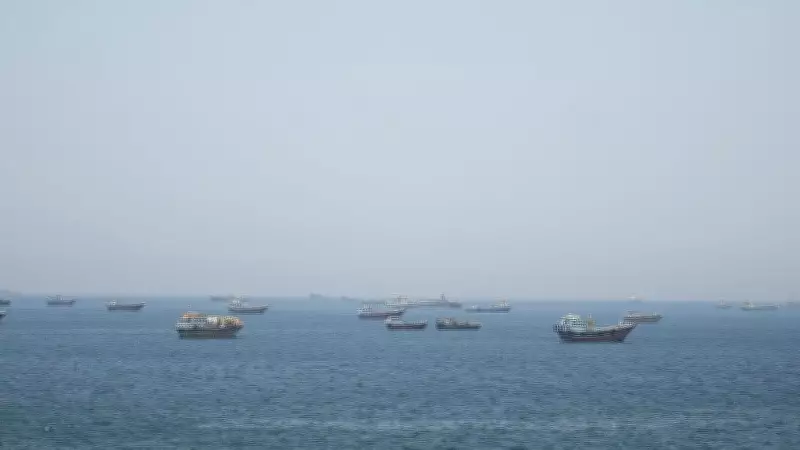
Three crude oil tankers have exited the Strait of Hormuz with their tracking systems switched off, according to data analyzed by Reuters. Two of these vessels are very large crude carriers (VLCC) identified as the Agios Fanourios I and the Kiara M, each carrying approximately 2 million barrels of Iraqi crude oil. These two tankers passed through the strategic waterway on Sunday, as indicated by the data.
Details of the Transit
The Agios Fanourios I and the Kiara M are among the largest oil tankers in operation, capable of transporting massive quantities of crude. The third tanker involved in the incident was not immediately identified. The decision to disable Automatic Identification System (AIS) trackers is often associated with attempts to conceal vessel movements, potentially for reasons related to sanctions, insurance, or security concerns.
Implications for Global Oil Markets
The Strait of Hormuz is a critical chokepoint for global oil supplies, with about 20% of the world's petroleum passing through it. Any disruption or unusual activity in the strait can have significant implications for oil prices and energy security. The transit of these tankers with trackers off raises questions about the origin and destination of the crude, as well as the parties involved in the shipment.

Data from maritime tracking services shows that the tankers were loaded at Iraqi ports and then proceeded through the strait without broadcasting their positions. This practice is not uncommon in the region, particularly for vessels involved in trade with countries under sanctions or for those seeking to avoid scrutiny.
Reactions and Analysis
Industry analysts suggest that the disabling of trackers could be linked to efforts to circumvent international sanctions on Iranian oil, although Iraq is not currently under such restrictions. Alternatively, it may be a security measure to prevent piracy or targeting in the volatile region. The lack of transparency makes it difficult to verify the true origin and final destination of the cargo.
This incident comes amid heightened tensions in the Middle East, with ongoing conflicts and geopolitical rivalries affecting maritime traffic. The international community has called for greater transparency in shipping to ensure compliance with trade regulations and to maintain stability in global energy markets.
As of the latest reports, the tankers have exited the strait and are heading towards unknown destinations. Further investigation is expected to shed light on the circumstances surrounding the tracker deactivation.