Bangladesh Opposition Leader Visits China Amid Diplomatic Realignment
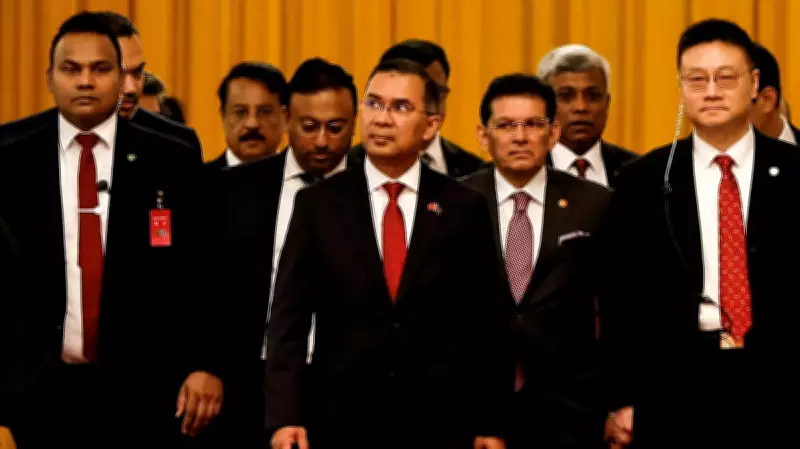
Bangladesh’s opposition leader Tarique Rahman has undertaken a significant visit to China, marking a potential strategic shift in Dhaka’s foreign policy. The visit, which began on 25 June 2026, is seen as an effort to deepen engagement with Beijing as Bangladesh balances its economic priorities and regional dynamics. According to diplomatic sources, Rahman is scheduled to meet senior Chinese officials to discuss trade, investment, and infrastructure cooperation.
Deepening Economic Ties with Beijing
The visit comes at a time when Bangladesh is seeking to diversify its economic partnerships. China has been a key investor in Bangladesh’s infrastructure projects, including the Padma Bridge rail link and the Dhaka-Chittagong expressway. During the visit, Rahman is expected to push for increased Chinese investment in Bangladesh’s special economic zones and energy sector. “We look forward to strengthening the partnership between Bangladesh and China, which is crucial for our development goals,” Rahman said in a statement before his departure.
Balancing Regional Dynamics
Bangladesh has traditionally maintained a balanced relationship with both China and India. However, recent geopolitical shifts have prompted Dhaka to recalibrate its foreign policy. The visit by Rahman, who is the acting chairman of the Bangladesh Nationalist Party (BNP), is seen as a move to signal that Bangladesh is open to closer ties with Beijing, even as it maintains its relationship with New Delhi. Analysts note that this outreach could be aimed at leveraging Chinese support for Bangladesh’s infrastructure needs while also addressing concerns over the Rohingya crisis and regional security.

China’s Growing Influence in South Asia
China has been expanding its influence in South Asia through the Belt and Road Initiative (BRI), with Bangladesh being a key partner. Chinese investments in Bangladesh have exceeded $20 billion in the past decade, focusing on energy, transportation, and manufacturing. Rahman’s visit is expected to result in new agreements on trade and investment, potentially including a free trade agreement (FTA) between the two countries. “Bangladesh sees China as a vital partner for its economic transformation,” said a Chinese foreign ministry spokesperson.
Domestic Political Implications
The visit also has domestic political implications for Bangladesh. The BNP has been critical of the current government’s foreign policy, particularly its close ties with India. By engaging with China, Rahman is positioning the BNP as a party that can offer an alternative foreign policy direction. This could resonate with voters who are concerned about Bangladesh’s growing dependence on India. However, the ruling Awami League has downplayed the visit, stating that it does not reflect any shift in Bangladesh’s foreign policy.
Reactions from India and the International Community
India has been closely watching the developments. New Delhi has traditionally enjoyed strong ties with Dhaka, but recent years have seen some friction over trade and border issues. Indian officials have expressed hope that Bangladesh will maintain its policy of balancing relations with both China and India. The United States and other Western nations have also taken note, with some expressing concern over China’s growing influence in the region. However, Bangladesh has emphasized that its foreign policy is independent and based on national interests.
Future Prospects
The visit is expected to conclude on 30 June 2026, with several memorandums of understanding (MoUs) expected to be signed. These could cover areas such as digital economy, renewable energy, and cultural exchange. Rahman’s outreach to China is likely to be a precursor to more high-level visits between the two countries. As Bangladesh prepares for its next general election in 2027, the BNP’s foreign policy stance could become a key campaign issue.