Understanding the Bonda Community
The Bonda community, also known as the Bondo, is one of the most ancient and isolated indigenous tribes residing in the dense forests of Odisha, India. This study delves into their unique way of life, cultural practices, and the challenges they face in the modern world.
Historical Background
The Bonda people are believed to be one of the oldest surviving tribes in India, with a history that dates back thousands of years. They have managed to preserve their distinct identity despite external influences, largely due to their geographical isolation in the mountainous regions of Malkangiri district.
Social Structure and Traditions
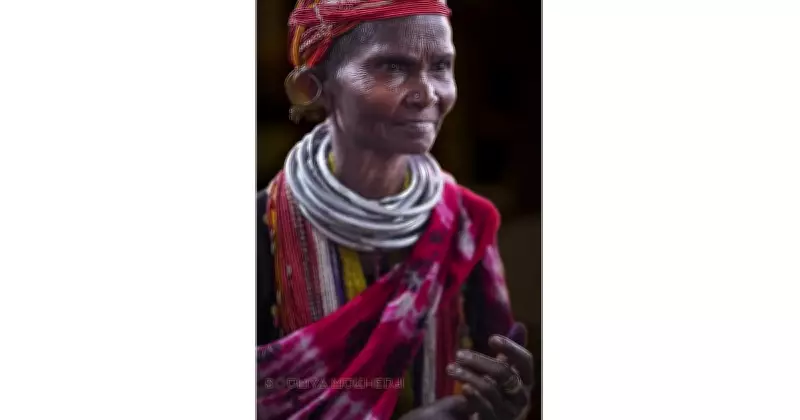
The Bonda society is organized into clans, with a strong emphasis on communal living. Their traditional attire is distinctive: women wear heavy silver ornaments and bead necklaces, while men wear minimal clothing. The community practices animism, worshipping nature and ancestral spirits. Festivals like the Patakhanda and Meria are central to their cultural calendar, involving rituals, music, and dance.

Economic Practices
Agriculture is the primary livelihood, with shifting cultivation being common. They grow millets, pulses, and vegetables. Additionally, they engage in hunting, fishing, and gathering forest produce. In recent years, some have taken up wage labor, but the community largely remains self-sufficient.
Challenges and Modern Influences
The Bonda face numerous challenges, including limited access to education, healthcare, and basic amenities. Government initiatives have aimed to integrate them into mainstream society, but these efforts often clash with their traditional lifestyle. The influx of outsiders and deforestation pose threats to their habitat and cultural preservation.
Preservation Efforts
Various NGOs and government agencies are working to document and protect Bonda culture. The creation of the Bonda Development Agency has focused on providing infrastructure while respecting their autonomy. Sustainable tourism is also being promoted to generate income without disrupting their way of life.
Conclusion
The Bonda community offers a fascinating glimpse into a way of life that has endured for centuries. Balancing development with cultural preservation remains a delicate task, but understanding and respecting their unique identity is crucial for their future.