The Human Rights Commission of Pakistan (HRCP) has expressed deep concern over the escalating confrontation in Pakistan-occupied Jammu and Kashmir (PoJK), following reports of casualties among both protesters and law enforcement personnel. In a statement posted on social media platform X, the HRCP urged an immediate de-escalation of tensions and called for an impartial investigation into all deaths and injuries.
HRCP Warns Against Shrinking Democratic Space
The rights body cautioned that proscribing popular movements invariably risks narrowing democratic space. It stressed that demands for constitutional change should be pursued through peaceful, representative, and democratic processes rather than through confrontation and violence. The HRCP emphasized the importance of safeguarding fundamental freedoms, including the rights to freedom of expression, association, and peaceful assembly, especially with regional elections scheduled for July.
Background of the Crisis
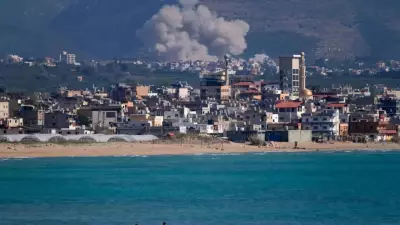
PoJK's Rawalakot witnessed deadly unrest amid growing political tensions ahead of regional elections. The crisis was triggered by the PoJK government's decision to ban the Joint Awami Action Committee (JAAC) under anti-terrorism laws and a dispute over 12 legislative seats reserved for Kashmiri refugees living in Pakistan. The JAAC, a coalition that has led protests on political and socioeconomic issues, opposed the reserved-seat arrangement, arguing that it undermines local representation.

Criticism of Ban on JAAC
Earlier, HRCP had strongly criticized the PoJK government's decision to ban the JAAC under anti-terrorism legislation ahead of its planned protest on June 9. The commission stated that the move raised serious concerns about the shrinking space for peaceful assembly and dissent. It noted that the JAAC had been mobilizing around political and socioeconomic demands and had called for a public protest.
Broader Concerns Over Political Dissent
Critics and rights activists have long accused Pakistan of suppressing political dissent in PoJK through restrictive laws, arrests of activists, and limitations on freedom of expression and assembly. The HRCP's statement underscores the need for democratic processes to address grievances and avoid further violence.