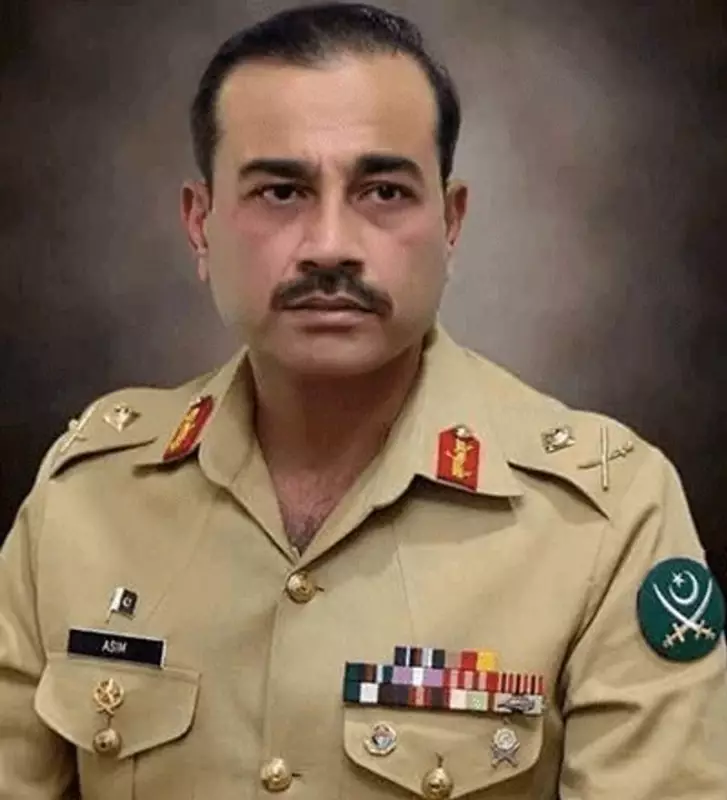
In a ceremony marked by privacy and discretion, the third daughter of Pakistan's powerful Army Chief, General Asim Munir, tied the knot. The wedding took place not at a lavish public venue, but within the secure confines of the General Headquarters (GHQ) in Rawalpindi.
A Family Affair at the Army Headquarters
The bride, who is General Asim Munir's third daughter, married the son of the Army Chief's brother. This union essentially represents a marriage between cousins, solidifying family bonds. The event was held on a Friday, adhering to a tradition of simplicity and avoiding the spotlight that usually follows such high-profile personalities.
Reports confirm that the ceremony was an intimate affair. It was conducted at the Army House located inside the GHQ complex in Rawalpindi, a city synonymous with Pakistan's military establishment. The choice of venue underscores the desire for a private, secure, and low-key celebration, away from media glare and public attention.
Deliberate Privacy and Security Protocols
The wedding was characterized by its discreet nature. Unlike typical high-society weddings involving top military brass, there was no grand announcement or widespread publicity. The guest list was reportedly limited to close family members, maintaining the event's intimate character.
The ceremony was officiated by a religious scholar named Maulana Abdul Ghafoor, who is known to be a relative of the family. This further highlights the personal and familial nature of the occasion. Security, as expected, was stringent given the venue and the stature of the bride's father, General Asim Munir, who holds one of the most influential positions in Pakistan.
Context and Implications of a Discreet Celebration
This private wedding stands in contrast to the often-opulent weddings associated with Pakistan's elite, including political and military families. The decision to keep it simple and within the army headquarters may be viewed through multiple lenses.
Firstly, it aligns with a recent push within certain circles for modesty and avoiding unnecessary public display. Secondly, it reflects the security sensitivities surrounding the Army Chief and his immediate family. Holding the event at GHQ, a highly fortified and controlled environment, minimizes any security risks.
The marriage also reinforces familial ties within General Munir's close circle. By marrying his daughter to his brother's son, it strengthens existing bonds, a practice not uncommon in various cultural contexts across South Asia. The event, while personal, offers a glimpse into the personal life of a figure who wields significant influence over Pakistan's political and security landscape.
Ultimately, the wedding of General Asim Munir's daughter was a family moment guarded by privacy and military protocol. It underscores how personal milestones for individuals in the highest echelons of power are often managed away from the public eye, within the secure and private realms of institutional authority.