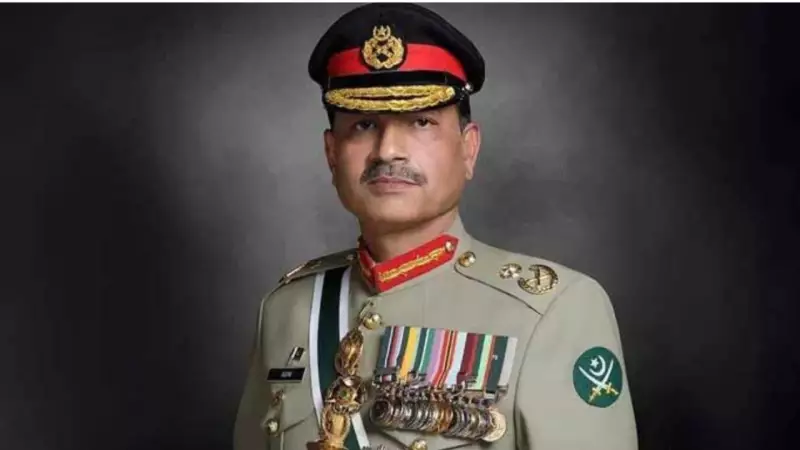
Pakistan's powerful army chief, Field Marshal Syed Asim Munir, hosted a private family wedding last week in the garrison city of Rawalpindi. The ceremony marked the marriage of his daughter, Mahnoor, to her first cousin, Abdul Rehman, a former army captain turned civil servant.
A Subdued Yet Star-Studded Affair
The wedding was deliberately kept low-key due to security considerations, with no official photographs released to the public. Despite the subdued nature, the guest list was a who's who of Pakistan's political and military establishment. Around 400 guests attended the event.
Among the senior figures present were Pakistan President Asif Ali Zardari, Prime Minister Shehbaz Sharif, and Deputy Prime Minister Ishaq Dar. Punjab Chief Minister Maryam Nawaz and the chief of the Inter-Services Intelligence (ISI) agency were also in attendance. The gathering included several serving and retired senior army officers, including former army chiefs.

Family Ties and the Groom's Profile
Journalist Zahid Gishkori confirmed the family connection, stating the groom, Abdul Rehman Qasim, is Munir's nephew—the son of the army chief's brother. Rehman previously served in the Pakistan Army as a captain before transitioning to the civil administration through a quota reserved for army officers. He currently holds the position of assistant commissioner.
This wedding was for Munir's third daughter; the army chief has four daughters in total. The family-oriented ceremony highlighted close kinship ties within the country's powerful military elite.
Geopolitical Context and Critical Reports
The wedding coincided with the arrival of UAE President Sheikh Mohammed bin Zayed Al Nahyan in Pakistan on the same day, sparking speculation on social media about a potential link. However, Gishkori clarified that the UAE president did not attend the wedding ceremony.
The event unfolded against a backdrop of intense scrutiny of Pakistan's security and foreign policy under Munir's leadership. A report by Greek City Times suggested global patience is wearing thin with Pakistan's trajectory toward "religious extremism," alleging a shift toward a more theocratic posture while failing to curb radical elements domestically.
Further criticism was highlighted in a report by Asian News Post, which faulted Islamabad's military-led approach to regional diplomacy, particularly concerning Afghanistan. The report stated this strategy has failed to stabilize borders or improve Pakistan's international standing.
This private family celebration, therefore, sits within a complex web of domestic power structures and challenging international perceptions, underscoring the pivotal role the military continues to play in Pakistan's public and private spheres.