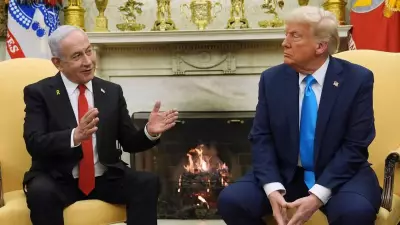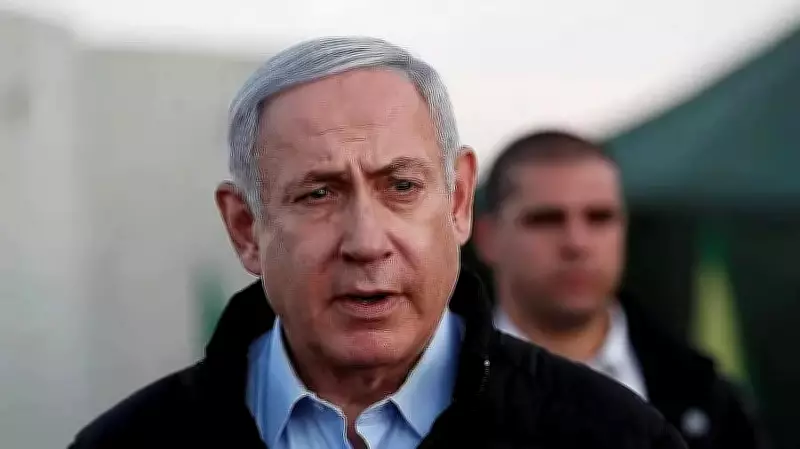
Israeli Prime Minister Benjamin Netanyahu has expressed a desire to wean Israel off its reliance on United States military support, stating that the time is ripe for a potential reset of the financial relationship between the two nations. In an interview with CBS News, Netanyahu affirmed that it is 'absolutely' the right moment to reconsider the longstanding economic and defense ties that have defined U.S.-Israel relations for decades.
Netanyahu's Vision for Self-Reliance
Netanyahu emphasized that Israel must strive for greater self-sufficiency in its defense capabilities. He noted that while American support has been invaluable, Israel's growing technological and economic strength positions it to assume more responsibility for its own security. The prime minister highlighted that reducing dependence on foreign aid aligns with Israel's long-term strategic interests and national resilience.
Timing of the Proposed Reset
When asked about the timing of such a significant shift, Netanyahu pointed to Israel's robust economy and advanced defense industry as key factors. He argued that the current geopolitical landscape, marked by evolving threats and opportunities in the Middle East, makes it an appropriate moment to reassess the bilateral financial framework. The comments come amid ongoing discussions in Washington about foreign aid budgets and America's global commitments.

Reactions and Implications
The announcement has sparked varied reactions. Supporters view it as a bold step toward Israeli independence, while critics caution against abrupt changes that could undermine security cooperation. Analysts suggest that any transition would need to be gradual, ensuring that Israel maintains its qualitative military edge in the region. The United States has historically provided Israel with approximately $3.8 billion in annual military aid under a 10-year memorandum of understanding.
Broader Context of U.S.-Israel Relations
Netanyahu's statement underscores a broader debate within Israel about the balance of its alliance with the United States. Some policymakers advocate for deeper integration, while others push for diversification of partnerships. The prime minister's remarks also reflect a global trend of nations seeking to reduce dependency on major powers amid shifting geopolitical alignments.
As Israel continues to develop cutting-edge technologies in cybersecurity, drone warfare, and missile defense, the prospect of reduced U.S. aid may accelerate indigenous innovation. However, experts warn that maintaining military readiness without American support would require significant budget reallocations and strategic adjustments.