A Captivating Encounter with Nature in Nangal's Wetlands
The Ramsar wetlands of Nangal offer a breathtaking spectacle of beauty and serenity, nestled amid lush green cover and tranquil water bodies. These wetlands serve as a blissful winter sanctuary for a myriad of migratory birds, including high-flying bar-headed geese, ruddy shelducks, playful pochards, and greyish gadwalls. In stark contrast to the diminishing sightings at Sukhna Lake in Chandigarh, an evening at Brahmoti Mandir near Una presents a unique and delightful experience for nature enthusiasts.
Close Encounters at Brahmoti Mandir
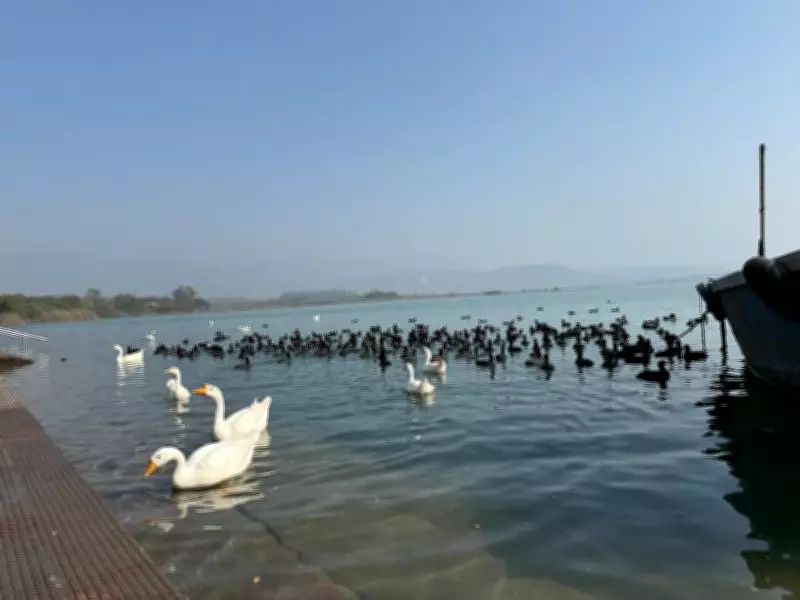
Among the winter habitats in the Nangal dam area, Brahmoti Mandir stands out for its remarkably close interactions between humans and nomadic birds. The local community and these winged visitors have developed a tacit understanding, showcasing a remarkable example of cohabitation. Wanderers from distant lands paddle right up to the temple's steps, engaging in curious communication with humans. Visitors often feed them kneaded flour provided on the premises, creating a mesmerizing and playful interaction.
Watching energetic birds swoop through the air to grab a morsel or dive deep into the water to catch a crumb is a fascinating treat—a true conversation with nature itself. As the sun sets, the scene becomes even more enchanting, with about 50 swans resting on the lake's shore, about 250 metres away, suddenly becoming active and gliding into the water. Temple bells begin to ring, prayers grow louder, and in response, coots abruptly turn back and swim away from the shore.

Local Insights and Conservation Concerns
The swans soon arrive beside the steps, readily picking morsels offered by visitors. When asked about the familiarity of these birds with temple visitors, an onlooker explains, "These are local swans; they are very comfortable here. Migratory birds come only during winters. There are many other sites, but nowhere else do the birds come so close to humans. I've tried feeding them at other places, but have usually failed."
Accompanying the experience is an avid birdwatcher and nature enthusiast who strikes a note of caution. "I feel very happy seeing these birds come near us and take food from our hands," he says. "However, there is a big risk. Migratory birds are adapted to searching for food in their environment. Crumbs given by people make them vulnerable to traps laid by hunters, and many of them end up getting killed." His incisive observations offer ample food for thought, highlighting the delicate balance between human interaction and wildlife conservation.