Mumbai Airport Faces Major Disruptions Amid Escalating Middle East Tensions
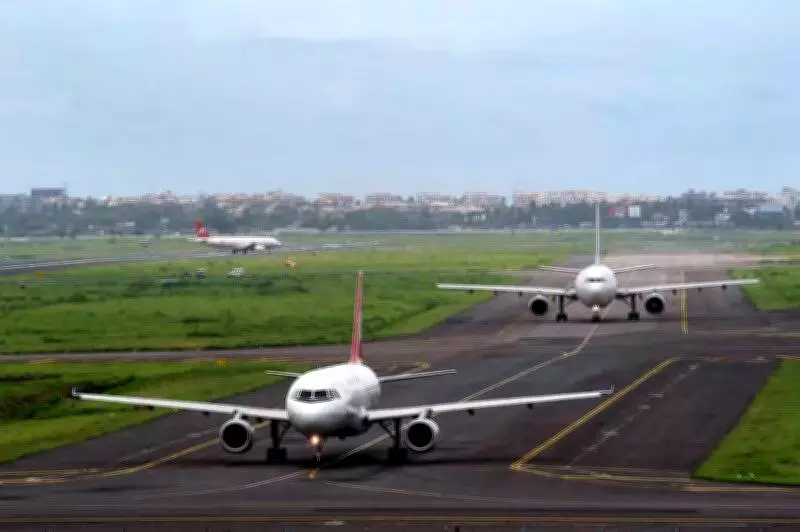
In a significant aviation crisis, Mumbai's Chhatrapati Shivaji Maharaj International Airport experienced severe operational disruptions on Saturday, with a total of 98 flights cancelled and five flights diverted as of 9:30 PM. This chaos unfolded against the backdrop of escalating military tensions in parts of the Middle East and Gulf region, which have prompted widespread airspace closures and safety concerns.
Flight Diversions and Airport Constraints
Among the affected flights was IndiGo's Mumbai–London service, flight 6E-1, which was forced to alter its course. The situation worsened when, at 9 PM, the Mumbai airport authorities issued a critical notification to airlines and pilots. They declared that parking space was unavailable for any diverted aircraft and firmly stated that no further diversions would be accepted until 8 AM on Sunday, exacerbating the logistical nightmare for carriers.
Airline Responses and Service Suspensions
In response to the heightened security risks, several major Indian airlines took drastic measures. Late in the evening, Air India announced the cancellation of multiple long-haul international services scheduled for March 1, citing paramount safety considerations. The affected routes include flights connecting Delhi, Mumbai, and Amritsar with key international hubs such as London (both Heathrow and Gatwick), New York (JFK), Newark, Chicago (via Vienna), Toronto (via Vienna), Frankfurt, and Paris. The airline is actively notifying impacted passengers and offering alternative travel arrangements to mitigate inconvenience.

Akasa Air implemented a more extensive suspension, halting all its flights to and from Abu Dhabi, Doha, Jeddah, Kuwait, and Riyadh until March 2, 2026. For passengers with bookings to or from these cities up to March 7, the airline is providing options for a full refund or rescheduling without any additional charges. Similarly, Air India Express extended the suspension of its westbound international flights until 23:59 hours on March 1, 2026, as confirmed by a spokesperson.
Fare Surges and Regulatory Advisories
The airspace closures triggered a sharp spike in airfares for travel on March 1, particularly to London and various Middle East destinations. Reports indicate that a one-way direct fare to London soared to approximately Rs 1.40 lakh by Saturday afternoon, reflecting the sudden scarcity of available flights and increased demand for alternative routes.
Adding to the urgency, the Directorate General of Civil Aviation (DGCA) issued an urgent advisory highlighting "a significant escalation in security risks" in the Middle East and Persian Gulf airspace. The regulatory body strongly advised Indian operators to avoid the affected airspace at all flight levels, emphasizing the critical need for precautionary measures to ensure passenger and crew safety.
Context of Regional Tensions
The flight disruptions are directly linked to ongoing military actions in the region, including reported missile strikes and explosions in areas such as Abu Dhabi and Doha. These incidents have created an unstable environment, forcing aviation authorities and airlines to prioritize security over operational continuity, leading to widespread cancellations and diversions that have impacted thousands of travelers.