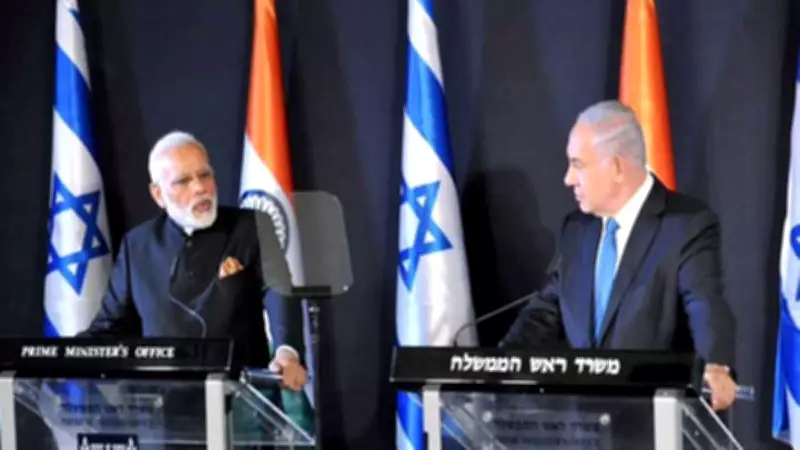
In a world increasingly defined by ideological entrenchment, the United States and Israel have deepened their strategic partnership, with neocon militarism and Zionist influence shaping American foreign policy. This overreach has not only escalated the fallout from the Iran conflict but also poses significant challenges for emerging powers like India, particularly in its aspirations to lead the Global South.
The Roots of Ideological Overreach
The neoconservative movement in the United States has long advocated for an aggressive foreign policy, often prioritizing military intervention and regime change. Israel's Zionist ideology further reinforces this approach, framing regional conflicts in existential terms. Together, they have created a policy framework that prioritizes hard power over diplomacy, leading to prolonged instability in the Middle East.
Impact on the Iran Conflict
The US-Israel stance on Iran has been a key driver of tensions. By opposing diplomatic solutions and advocating for maximum pressure, they have deepened the crisis. The resulting war has not only caused humanitarian suffering but also disrupted global energy markets and regional security. India, as a major energy importer and a voice for the Global South, has been directly affected by these developments.

Challenges for India's Global South Leadership
India has positioned itself as a leader of the Global South, advocating for multipolarity and inclusive development. However, the US-Israel ideological overreach creates a dilemma. On one hand, India maintains strong bilateral ties with both nations; on the other, it must navigate the consequences of their policies. The Iran war, for instance, has strained India's energy security and its relations with Iran and other regional players.
Lessons for India
India must learn from this overreach by avoiding ideological rigidity in its own foreign policy. Instead, it should emphasize strategic autonomy, balancing relations with major powers while championing the interests of developing nations. The US-Israel example shows that unchecked ideology can lead to strategic blunders and global backlash. India, by contrast, should focus on pragmatic diplomacy, economic cooperation, and multilateralism.
As the world watches the fallout from the US-Israel approach, India has an opportunity to offer an alternative vision—one that prioritizes peace, development, and dialogue. This will not only strengthen its Global South credentials but also ensure long-term stability and prosperity.