The Quiet Exodus: Kashmiri Women's Journey Beyond the Valley
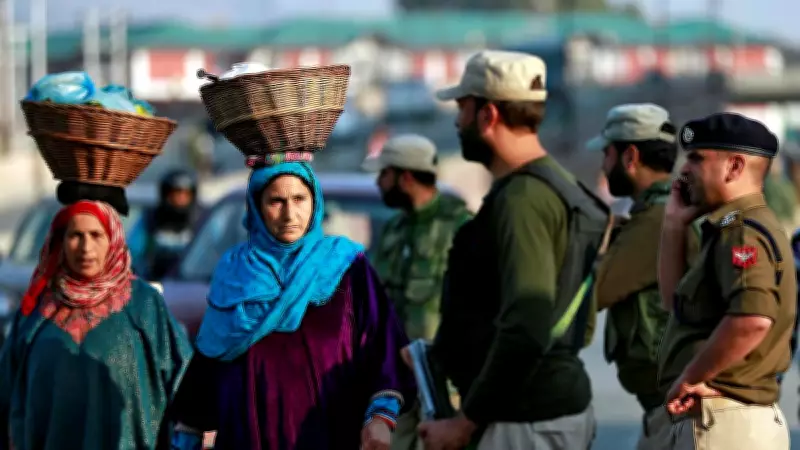
In a subtle yet significant demographic shift, women from Kashmir are increasingly departing the Valley after marriage, relocating to major Indian cities or abroad. This movement is not driven by conflict or sudden upheaval but represents a calculated response to persistent economic constraints and limited professional opportunities in their homeland.
Economic Drivers and Professional Aspirations
The trend highlights how economic factors are reshaping traditional migration patterns in Jammu and Kashmir. Women are seeking better job prospects, higher education, and improved living standards, often facilitated by marriage as a gateway to mobility. This quiet exit underscores a broader narrative of aspiration and adaptation in the face of local challenges.
Impact on Kashmir's Social Fabric
As more women leave, Kashmir experiences a gradual change in its social and economic landscape. The departure of educated and skilled women may affect community dynamics and local workforce participation, raising questions about long-term regional development and gender equality.

Key Observations:
- Migration is primarily post-marital, with destinations including metros like Delhi, Bangalore, and international hubs.
- Limited career options and economic pressures in Kashmir are primary motivators.
- This trend contrasts with conflict-induced displacement, reflecting a more planned and individual-driven process.
This phenomenon, while quiet, signals a deeper transformation in how Kashmiri women navigate opportunities and constraints, potentially influencing future policy and social initiatives in the region.