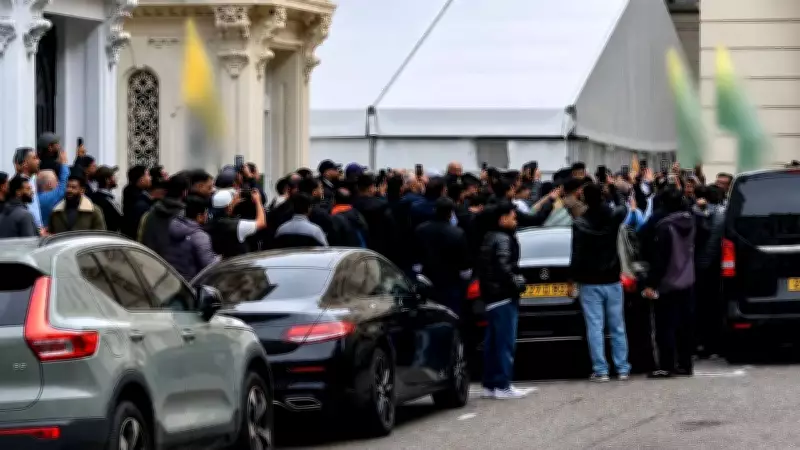
Members of the Kashmiri diaspora gathered on Tuesday outside the Pakistani Consulate in London to protest against the firing by Pakistani security forces in Pakistan-occupied Kashmir's Rawalakot. The violence reportedly left 11 people dead and more than 70 injured.
British MPs Demand Intervention
In response to the situation in Pakistan-occupied Kashmir (PoK), at least 50 British MPs have written to the UK government seeking intervention. In their appeal, the lawmakers labelled Pakistan's actions as "barbaric" and raised concerns over alleged human rights violations.
Curfews and Restrictions
According to protesters, authorities have imposed curfews and movement restrictions in several districts, disrupting daily life and limiting access to essential services. The reported restrictions, they argued, have further heightened fears among residents and contributed to growing unrest.

Call for Investigation
Participants in the Bradford protest said they possess witness testimonies, photographs, videos, and other material which they believe support allegations of excessive force and human rights violations. They called for an immediate, transparent, and independent investigation into the reported incidents. Additional allegations raised during the demonstration included house raids, arbitrary detentions, intimidation of civilians, and other actions that protesters contend require impartial examination by international human rights bodies.
International Community Urged to Act
The protesters urged the international community, including the United Nations, global human rights organisations, elected representatives, and international media outlets, to closely monitor incidents in the region and support efforts aimed at establishing the facts through credible investigations.
Demand for Dialogue
Organisers emphasised that public grievances and demands should be addressed through dialogue, democratic engagement, and respect for fundamental freedoms rather than through coercive measures. They argued that sustainable peace and stability could only be achieved through accountability, transparency, and adherence to human rights principles. The participants expressed solidarity with families reportedly affected by the unrest.
Background of the Violence
The violence erupted on June 7-8 when Pakistani security forces moved to disperse a crowd of more than 10,000 protesters gathered in Rawalakot. According to reports, security personnel used automatic rifles, petrol bombs and other measures to break up the demonstration.
Trigger for Protests
The immediate trigger for the protests was Islamabad's decision to reserve 12 seats in the 45-member legislative assembly for refugees residing outside Pakistan-occupied Kashmir ahead of the July 27 elections. Protesters have been demanding the abolition of the reserved-seat arrangement.
British MP Leads Call for Intervention
The call for British intervention was spearheaded by Bradford East MP Imran Hussain, who has roots in Pakistan-occupied Kashmir and urged the UK government to pursue diplomatic engagement on the issue.
Motion Backed by British MPs
The motion backed by British MPs calls for the immediate restoration of communication services, the lifting of restrictions on family contact, safe medical access for the injured, protection of peaceful assemblies, and the release of detainees or their prompt production before a court.
Further Protests
Members of the Kashmiri diaspora also staged demonstrations outside the Pakistani Consulate, accusing Pakistani authorities of using excessive force against protesters.
Roots of the Crisis
The current crisis traces its roots to the Muzaffarabad Agreement signed on October 4, 2025, which has remained at the centre of the ongoing political dispute.