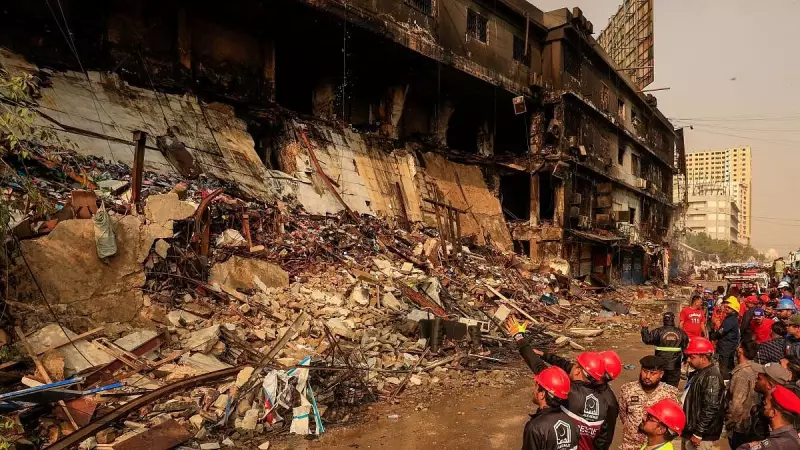
Karachi Mall Fire: A Deadly Trap of Smoke and Locked Doors
A massive fire erupted at a shopping mall in Karachi, Pakistan, turning a busy day into a scene of horror. The blaze quickly spread, engulfing multiple floors in flames and thick, black smoke. Victims found themselves trapped with no way out, as emergency exits were reportedly locked or inaccessible. This tragic event has left many dead and injured, raising urgent questions about safety standards in public spaces.
How the Fire Unfolded
Witnesses describe seeing smoke billowing from the mall's upper levels in the early afternoon. Panic set in as shoppers and staff tried to flee, but their escape routes were blocked. Firefighters arrived on the scene within minutes, but the intensity of the fire and the locked exits hampered rescue efforts. The smoke, dense and toxic, made it difficult for people to breathe and see, leading to chaos and confusion inside the building.
Safety Failures Exposed
Investigations point to critical safety lapses that worsened the disaster. Emergency exits, meant to provide a quick escape during fires, were found locked or obstructed. This violation of basic fire safety protocols trapped victims inside, with some forced to jump from windows in desperation. The mall's fire alarm system also reportedly failed to function properly, delaying evacuation and alerting authorities too late.

Local authorities have launched a probe into the incident, focusing on compliance with fire safety regulations. Preliminary reports suggest that the mall lacked adequate fire extinguishers and smoke detectors, compounding the risks. Such oversights are not uncommon in many urban areas, where enforcement of safety rules can be lax.
Impact and Response
The fire has resulted in multiple fatalities and numerous injuries, with hospitals in Karachi overwhelmed by the influx of victims. Rescue teams worked tirelessly through the night, pulling survivors from the rubble and providing medical aid. The community has rallied together, offering support and donations to affected families.
In the aftermath, calls for stricter safety inspections and penalties for violations have grown louder. Officials promise to review and enforce building codes more rigorously to prevent similar tragedies. This incident serves as a stark reminder of the importance of preparedness and adherence to safety measures in crowded places.
As Karachi mourns the loss, the focus shifts to ensuring such a disaster never happens again. Improved training for mall staff, regular safety drills, and public awareness campaigns are now on the agenda. The hope is that this tragedy will spur meaningful change and save lives in the future.