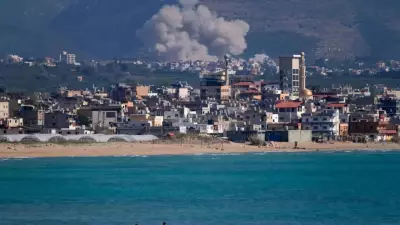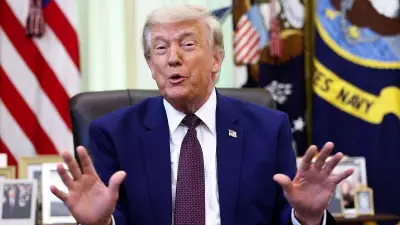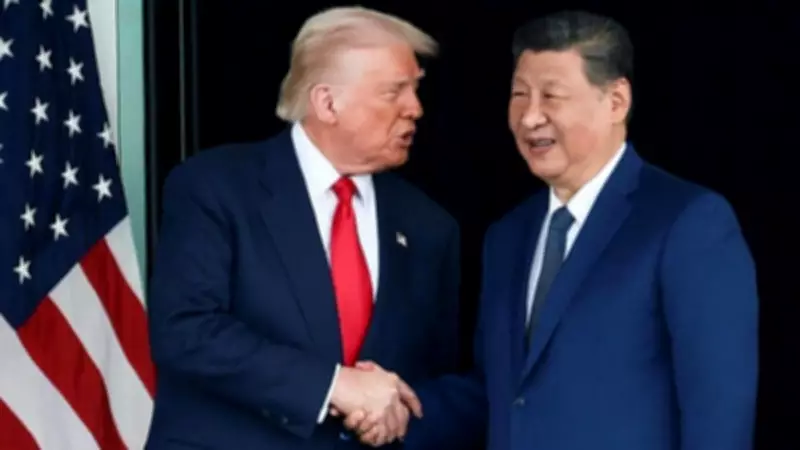
The escalating conflict in Iran is raising the stakes for diplomatic engagement between the United States and China, as preparations intensify for a high-stakes meeting between President Donald Trump and Chinese President Xi Jinping in Beijing. US Treasury Secretary Scott Bessent has confirmed that the Iran war will be a central topic during the talks, and he has issued a direct appeal to China to participate in international efforts to keep the Strait of Hormuz open for global shipping.
Bessent's Call for International Action
Speaking to reporters, Bessent emphasized the critical importance of the Strait of Hormuz, a vital maritime corridor through which a significant portion of the world's oil and gas supplies transit. He urged China to 'join us in this international operation' aimed at ensuring the safety and freedom of navigation in the region. The Treasury Secretary's remarks underscore the growing urgency of the situation as the Iran war continues to disrupt global trade and energy markets.
Implications for US-China Relations
The upcoming Trump-Xi meeting comes at a time of complex bilateral relations, marked by both cooperation and competition. The Iran conflict adds a new layer of complexity, as China has historically maintained close economic and diplomatic ties with Tehran. Bessent's call for Chinese involvement in securing the Strait of Hormuz may test the limits of that relationship, while also offering an opportunity for the two superpowers to align on a shared strategic objective.

Analysts suggest that China's response could significantly influence the trajectory of US-China relations in the coming months. If Beijing agrees to cooperate, it could pave the way for broader collaboration on regional security issues. Conversely, a refusal might deepen existing tensions and complicate ongoing trade and technology disputes.
Global Economic and Security Concerns
The war in Iran has already sent shockwaves through global energy markets, with oil prices spiking and supply chains under strain. The Strait of Hormuz, a narrow waterway between the Persian Gulf and the Gulf of Oman, is a chokepoint for approximately 20% of the world's petroleum. Any disruption to shipping there could have severe repercussions for the global economy, affecting everything from fuel costs to the availability of consumer goods.
Bessent's appeal to China is part of a broader US strategy to build an international coalition to protect maritime security in the region. The United States has been leading naval patrols and urging allies to contribute resources, but China's participation would add significant weight to these efforts.
Looking Ahead to the Beijing Summit
The Trump-Xi meeting, scheduled to take place in Beijing later this month, is expected to cover a wide range of issues, including trade imbalances, technology transfer, and regional security. The Iran war is likely to dominate the agenda, given its immediate impact on global stability. Observers will be watching closely to see whether the two leaders can find common ground or if the conflict will further strain their already fragile relationship.
As the world awaits the outcome of these high-level talks, the call for international cooperation on the Strait of Hormuz serves as a reminder of the interconnected nature of modern geopolitics. The decisions made in Beijing could have lasting consequences for peace and prosperity in the Middle East and beyond.