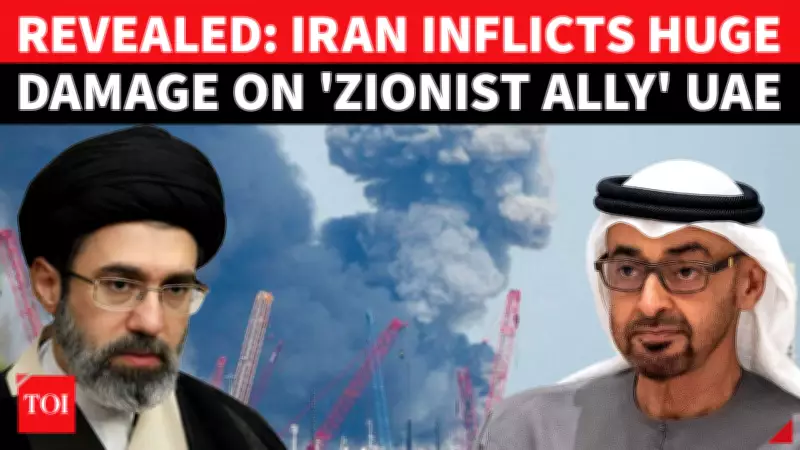
The Iran war may be in a stalemate, but the United Arab Emirates is paying a heavy price. New reports confirm that the Habshan Gas facility—the heart of the UAE's energy grid—is still operating at only 60% capacity after being hit by Iranian missiles. Experts warn that full recovery will likely take until 2027, dealing a severe blow to the nation's energy infrastructure.
Extensive Damage to Key Infrastructure
The Habshan complex, which processes and supplies a significant portion of the UAE's natural gas, was targeted in a recent Iranian attack. The facility remains crippled, with authorities ruling out any immediate recovery. According to energy analysts, the damage is extensive and repairs will be complex, requiring specialized equipment and expertise that may not be readily available in the region.
Economic Fallout Beyond the Gas Hub
In addition to the direct impact on the gas facility, the UAE is also grappling with a $600 million loss resulting from the closure of the Strait of Hormuz. To circumvent Iranian naval patrols and avoid seizure, Emirati tankers are now forced to navigate the strait under total radio silence, a risky maneuver that underscores the heightened tensions in the region.

The physical war between Iran and its adversaries may have ended, but the economic war is just beginning. The UAE, a key player in global energy markets, now faces a prolonged period of reduced gas output and increased operational costs. This could have ripple effects on global energy prices and supply chains, particularly for countries reliant on Gulf gas exports.
Broader Regional Tensions
The attack on the Habshan facility is part of a wider pattern of Iranian aggression in the Gulf. Reports indicate that Kuwait has also faced incursions by IRGC-linked operatives, and Hezbollah continues to launch rockets at Israeli positions. The United States remains on high alert, with naval forces in the Persian Gulf responding to Iranian fast boat swarms.
As the UAE struggles to restore its gas capacity, the international community is closely watching the situation. The prolonged recovery timeline for Habshan highlights the vulnerability of critical energy infrastructure in conflict zones and the lasting economic consequences of military action.