Highway 1's Remarkable Transformation in Post-War Afghanistan
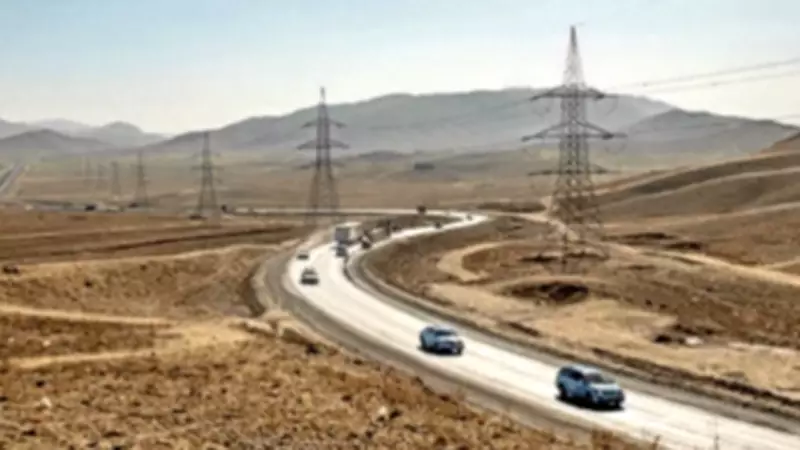
KANDAHAR: Once notorious as one of Afghanistan's most perilous and damaged thoroughfares, Highway 1 has undergone a dramatic metamorphosis under Taliban governance. On a recent 300-mile journey between Kabul and Kandahar, the country's two largest cities, journalists observed a landscape of order and security, with the road surface now entirely free of potholes.
From Battlefield to Peaceful Corridor
Since reclaiming power in 2021, the Taliban administration has systematically worked to replace the violence that once defined this critical artery with strengthened security measures and administrative control. Where bomb craters and defensive trenches once scarred the landscape, travelers now experience a smooth passage through Afghanistan's eastern plains, so comfortable that some doze during the ride.
Evening scenes along the highway reveal a transformed reality: a man training his pigeons at sunset, bus and truck drivers queuing patiently at gas stations before enjoying lamb kebabs, and boys cycling past religious schools adorned with solar panels—some occupying former military outposts.

The Taliban's Reconstruction Narrative
This represents the Afghanistan the Taliban government has painstakingly rebuilt over four years following the U.S. withdrawal—a showcase project intended to attract foreign investment and international recognition. According to World Bank data, the Afghan economy expanded by 4.3% last year, a significant increase from 2.5% in 2024.
"All the heavy weapons and the money of the previous government didn't accomplish much," remarked Iqbal Noori, a mobile phone shop owner in Kandahar, highlighting the contrast with current conditions.
A Symbolic Road's Troubled History
Highway 1 originally served as the centerpiece of U.S. reconstruction efforts in Afghanistan, yet it ultimately became emblematic of squandered billions in Western aid. A 2016 audit by the special inspector general for Afghanistan reconstruction revealed that 95% of paved roads had been damaged or destroyed. During peak conflict periods, the 300-mile trip between Kabul and Kandahar could stretch to eighteen grueling hours; today, travelers complete the journey in just eight.
Personal Stories of Change and Continuity
At a roadside stall, dry fruit seller Nasibullah Khaksar shared his perspective: "Growing up next to Highway 1 meant a life of constant interruption. The sight of a Taliban patrol was a sign that fighting would start soon." Now, he reports riding his motorcycle at night without fear and never locking his shop.
However, this improved security coexists with profound social restrictions. Women and girls remain virtually invisible along the highway, glimpsed only occasionally in passing vehicles, reflecting the Taliban's effective erasure of women from public life. World Bank estimates suggest this exclusion may cost the Afghan economy approximately $1.4 billion annually.
Economic Realities and Unmet Needs
Men encountered at various stops expressed appreciation for enhanced security but emphasized persistent economic hardships. Truck drivers, fruit sellers, welders, and butchers uniformly indicated that safety improvements alone are insufficient. "The youth are jobless. We need factories," stated Noor Agha Rahmani, a carpenter from Ghazni province.
Approaching Kabul, the landscape tells another story: ruined military bases and rows of abandoned houses line the route. While the war has ended, many residents describe a peace marked by neglect. "If you don't know anyone in the higher ranks, you're not getting anything," explained Gul Rahman Himayat, a former Taliban fighter, underscoring ongoing governance challenges.
Highway 1 thus stands as both a testament to Taliban infrastructure achievements and a reminder of the complex realities facing contemporary Afghanistan—where improved roads facilitate travel, but economic opportunities and social freedoms remain constrained.