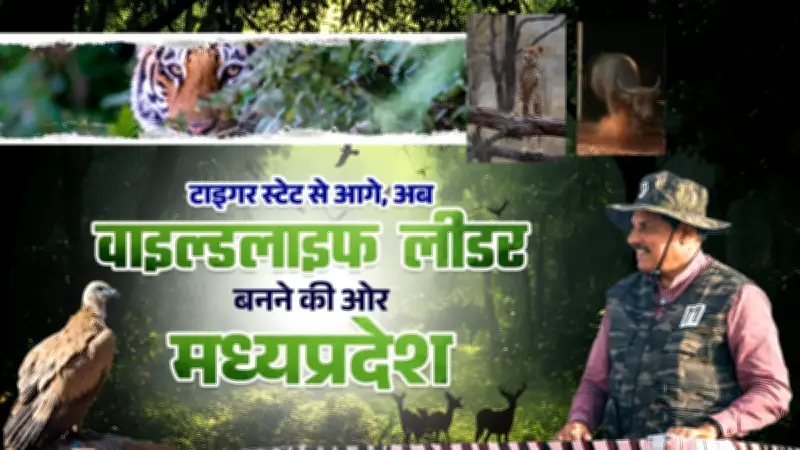
Madhya Pradesh, long celebrated as India's tiger state, is now undergoing a remarkable transformation into a comprehensive wildlife state, rewriting the country's conversation map. The state, which boasts the highest tiger population in India, is expanding its focus beyond the big cat to encompass a broader spectrum of biodiversity. This shift is not only enhancing conservation efforts but also boosting ecotourism and local economies.
Expanding the Wildlife Horizon
The state government has initiated several projects to protect and promote diverse species, including leopards, bears, and various bird species. New wildlife sanctuaries and conservation reserves are being established, while existing ones are being upgraded. The goal is to create a network of protected areas that support a wide range of flora and fauna.
Key Initiatives
- New Sanctuaries: The declaration of new wildlife sanctuaries, such as the Kuno National Park, which is set to host cheetahs, marks a significant step. The reintroduction of cheetahs, extinct in India for decades, is a flagship project.
- Habitat Connectivity: Efforts are underway to create wildlife corridors that connect different protected areas, allowing animals to move freely and maintain genetic diversity.
- Community Involvement: Local communities are being engaged in conservation through eco-tourism initiatives, providing alternative livelihoods and reducing human-wildlife conflict.
Impact on Tourism and Economy
The transformation is driving a surge in wildlife tourism. The number of visitors to national parks like Kanha, Bandhavgarh, and Pench has increased significantly. This has generated revenue and created jobs, particularly in rural areas. The state is also promoting lesser-known destinations to distribute tourism benefits more evenly.

Conservation Success Stories
Madhya Pradesh's conservation efforts have yielded positive results. The tiger population has grown from around 300 in 2006 to over 500 today. Similarly, populations of other species are stabilizing. The state's approach serves as a model for other regions in India.
Challenges and Future Plans
Despite successes, challenges remain, including habitat fragmentation, poaching, and human-wildlife conflict. The state is addressing these through stricter law enforcement, community education, and technological interventions like camera traps and drones. Future plans include expanding protected areas and enhancing eco-tourism infrastructure.
Madhya Pradesh's journey from a tiger state to a wildlife state is a testament to its commitment to conservation. By rewriting India's conversation map, it is setting new standards for wildlife protection and sustainable development.