Scientists Uncover Earth's 'Gold Kitchen' Hidden Deep Under Pacific Ocean
In a groundbreaking discovery, scientists have identified what they are calling Earth's 'Gold Kitchen'—a vast, gold-rich reservoir concealed beneath the Pacific Ocean. This finding sheds new light on the planet's geological processes and the origins of precious metals.
Analysis of Ocean Floor Samples Reveals Hidden Treasure
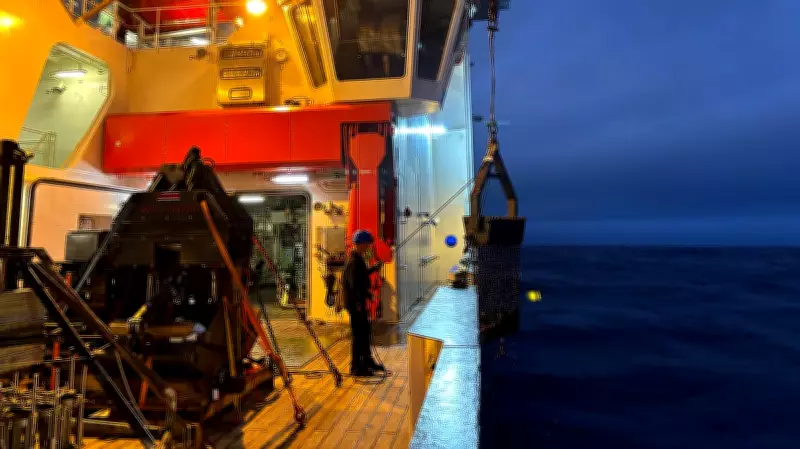
The research team conducted an extensive analysis of 66 glass samples collected from the ocean floor along the Kermadec island arc and the adjacent Havre Trough, located north of New Zealand. These samples provided crucial insights into the composition of the Earth's mantle in this region.
The Kermadec arc is a volcanic chain formed by the subduction of the Pacific Plate beneath the Australian Plate, making it a hotspot for geological activity. The Havre Trough, on the other hand, is a deep oceanic trench that has long intrigued scientists due to its unique characteristics.

Implications for Understanding Earth's Gold Distribution
This discovery has significant implications for our understanding of how gold and other valuable metals are distributed within the Earth. The 'Gold Kitchen' is believed to be a zone where molten rock from the mantle rises, carrying with it high concentrations of gold and other minerals.
By studying these glass samples, researchers can trace the pathways of these metals from deep within the Earth to the ocean floor, offering clues about volcanic activity and mineral formation processes. This could potentially lead to new methods for locating gold deposits in other parts of the world.
Key Findings from the Research
- The analysis revealed unusually high levels of gold in the glass samples from both the Kermadec arc and Havre Trough.
- This suggests that these areas are active sites for gold enrichment, possibly due to ongoing volcanic and tectonic activities.
- The discovery challenges previous theories about gold distribution, indicating that such reservoirs may be more common than previously thought.
Published on 12 April 2026, this research marks a major advancement in earth sciences. As scientists continue to explore the depths of our planet, findings like this highlight the untapped potential lying beneath the ocean's surface, waiting to be discovered.