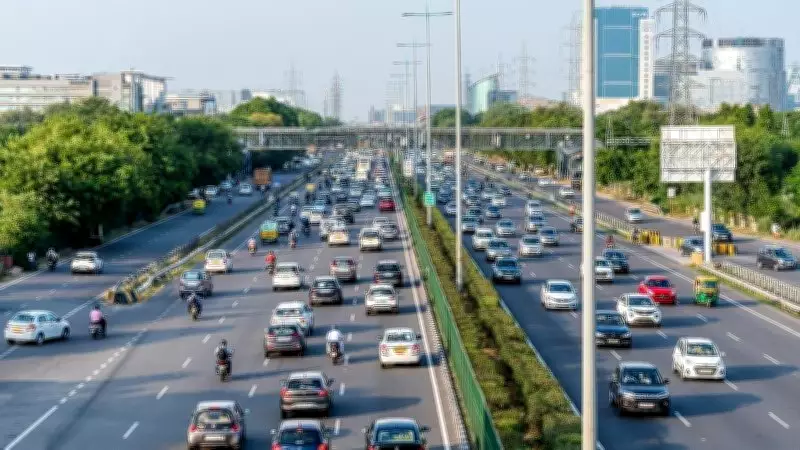
The Delhi-Mumbai Expressway, a monumental 1,386-kilometre, eight-lane corridor being constructed at a cost of Rs 95,000 crore, is on the verge of full operationalisation. Once completed, it will reduce the travel time between Gurugram and Vadodara from the current 20-22 hours to approximately 10-12 hours, making a journey from Gurugram to Gujarat feasible in about 10 hours.
Key Milestone: India's First Eight-Lane Road Tunnel
A significant achievement in the project is the completion of a 4.9-kilometre tunnel near Kota in Rajasthan. This tunnel, recognised as India's first eight-lane road tunnel, passes beneath the ecologically sensitive Mukundara Hills Tiger Reserve. It allows traffic to traverse the corridor without disturbing wildlife while bypassing a longer, winding route. The Kota section had been one of the final major gaps preventing seamless travel along the expressway.
Route Details
The expressway begins near Sohna in Gurugram and passes through six states before terminating near the Jawaharlal Nehru Port Trust (JNPT) in Mumbai. The state-wise breakdown is as follows:

- Haryana: 129 km
- Rajasthan: 373 km (covering Alwar, Dausa, and Kota)
- Madhya Pradesh: 244 km (through Mandsaur and Ratlam)
- Gujarat: 426 km (including Vadodara, Bharuch, and Surat)
- Maharashtra: The final stretch leading to Mumbai
The corridor also includes a section in Delhi, bringing the total route length to 1,386 km.
Design and Features
The access-controlled expressway is designed for speeds of up to 120 kmph, subject to notified limits and traffic conditions. With no traffic signals or grade crossings, it promises significantly faster and smoother travel. The road features a 21-metre-wide median, allowing future expansion from eight to 12 lanes if required.
Timeline and Current Status
The Gurugram-Dausa stretch is already open to traffic. Most sections between Dausa and Vadodara are either operational or nearing completion. The Godhra-Vadodara section in Gujarat was opened for trial runs in April 2026. The remaining Vadodara-Mumbai section is in the final stages of construction and is expected to open in phases. Once fully operational, the Delhi-Mumbai journey is expected to take about 12 hours by road, compared with over 24 hours on conventional routes.
Economic and Connectivity Impact
Beyond reducing travel time, the expressway is expected to lower logistics costs, improve connectivity across Haryana, Rajasthan, Madhya Pradesh, Gujarat, and Maharashtra, and boost economic activity in cities such as Kota, Ratlam, and Bharuch through faster movement of freight and passengers. Once completed, the corridor will significantly strengthen road connectivity between north and west India, benefiting commuters, transporters, and businesses alike.