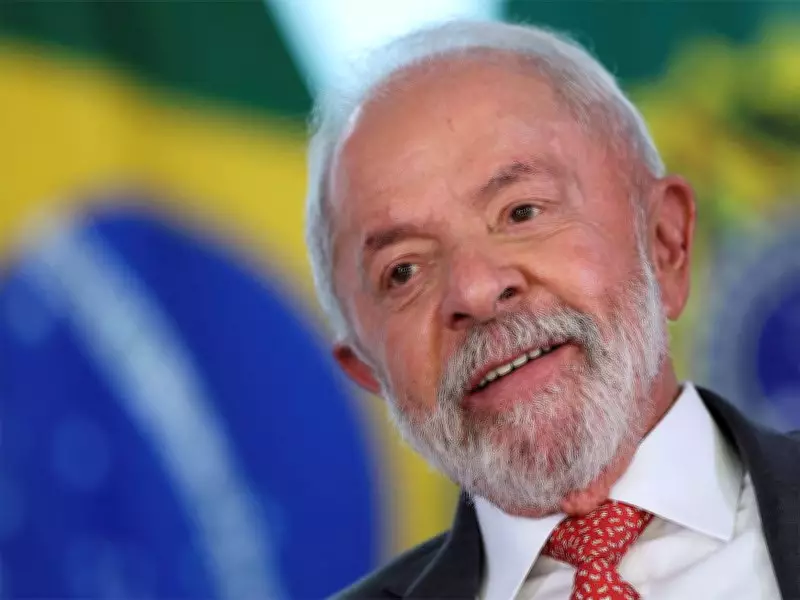
Brazil's government has launched a comprehensive anti-organized crime program worth 5.7 billion reais (approximately $1.1 billion), marking a major initiative under President Luiz Inacio Lula da Silva's administration. The program, announced on Wednesday, aims to tackle the growing influence of criminal organizations that have expanded their operations across the country.
Key Components of the Program
The multi-faceted plan includes increased funding for federal police operations, enhanced intelligence sharing between agencies, and the deployment of advanced surveillance technology. A significant portion of the budget will be allocated to strengthening border controls, particularly in the Amazon region and along the borders with Paraguay and Bolivia, where drug trafficking and illegal mining are rampant.
Focus on Social Prevention
In addition to enforcement, the program emphasizes social prevention measures. The government plans to invest in education, job training, and community policing in high-crime areas. "We cannot fight crime only with repression; we need to offer opportunities to young people who are vulnerable to recruitment by gangs," said Justice Minister Flavio Dino during the launch event.

Intelligence and Technology
A central pillar of the initiative is the creation of a national intelligence center to coordinate efforts among federal, state, and municipal police forces. The center will use artificial intelligence and data analytics to predict criminal activity and track financial flows of organized crime groups. The government also plans to expand the use of drones and satellite imagery for monitoring illegal activities in remote areas.
Context and Challenges
The launch comes amid rising concerns over the power of criminal factions such as the First Capital Command (PCC) and the Red Command. These groups have diversified from drug trafficking into extortion, gold smuggling, and control of illegal logging operations. Brazil recorded over 40,000 homicides in 2023, though the rate has declined slightly from previous years. Critics argue that previous anti-crime efforts have been hampered by corruption and lack of coordination among security forces.
Political Implications
President Lula, who returned to office in January 2023, has made crime fighting a priority. The program is seen as a test of his administration's ability to deliver on security promises. Some opposition leaders have questioned the effectiveness of the plan, calling for more immediate measures. However, the government insists that the program's long-term approach will yield sustainable results.
The funding for the program will come from a combination of federal budget allocations and international partnerships. Brazil has already secured support from the United Nations Office on Drugs and Crime for technical assistance. The first phase of the program is expected to be implemented within the next six months, with initial focus on the most violent regions, including Rio de Janeiro and the northeastern states.