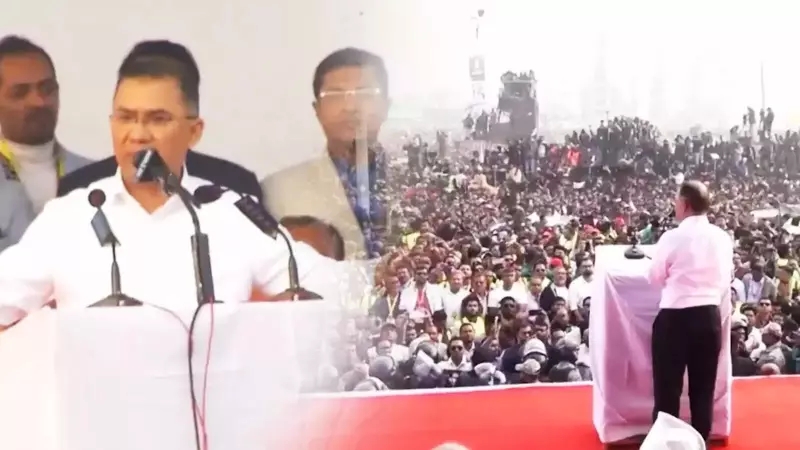
In a dramatic and highly symbolic return, Bangladesh Nationalist Party (BNP) Chairman Tarique Rahman addressed a massive gathering of supporters in Dhaka on Thursday, marking his first public appearance in the country after nearly 17 years of self-imposed exile in London. The event, charged with political emotion, is seen as a pivotal moment that could reshape the nation's power dynamics.
A Speech of Liberation and Democratic Revival
Rahman's speech was packed with historical parallels and powerful rhetoric. He made the bold declaration that Bangladesh was "liberated again" in 2024, drawing a direct comparison to the country's original Liberation War in 1971. He framed the political events of July 2024 as a democratic revival, a second struggle for the nation's soul.
In a move that captured international attention, Rahman evoked the legacy of American civil rights icon Martin Luther King Jr., using the reference to underscore his calls for unity, justice, and peaceful political change. He urged for solidarity across all communities in Bangladesh, pledging to work towards building a more inclusive political order that represents every citizen.

Honouring Legacy and Outlining a Vision
The BNP leader took a moment to remember assassinated party leader Osman Hadi, paying solemn tribute to his sacrifice. Rahman vowed to fulfil Hadi's vision of a truly democratic Bangladesh, linking the party's future to the ideals of its fallen members.
Widely recognised as the political heir to former Prime Minister Khaleda Zia, Rahman's grand comeback is not just a personal return but a strategic gambit by the BNP. The party is betting on his leadership to energise its base and navigate the complex political landscape in what is anticipated to be a decisive phase for the opposition.
High-Stakes Shift in Bangladesh's Political Arena
Rahman's physical presence in Dhaka after such a prolonged absence signals a high-stakes shift in Bangladesh's political dynamics. His return from London transforms him from a remote figurehead into an active, on-ground leader, potentially altering the equation between the government and the opposition.
Analysts suggest that the BNP is consolidating its strategy around Rahman, hoping his renewed direct leadership will unite the party and present a formidable challenge in the coming years. The speech, with its mix of historical symbolism, calls for unity, and promises of inclusive governance, sets the tone for what is expected to be a fiercely contested political period ahead.