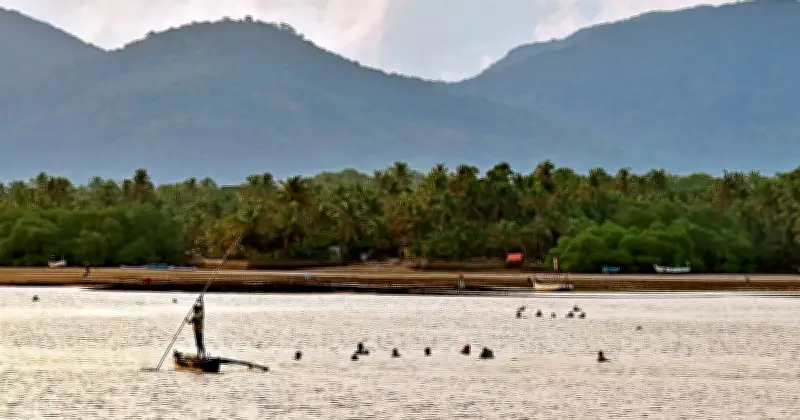
In the heart of Karnataka, a unique way of life thrives beneath the water surface. Fishing communities across the state have long depended on rivers, lakes, and reservoirs for their sustenance and income. However, this traditional livelihood is increasingly under threat from environmental changes and rapid urban development.
The Dependence on Water Bodies
For generations, fishing has been more than just an occupation for these communities; it is a cultural identity. Villages along the banks of the Krishna, Cauvery, and other rivers have built their lives around the rhythms of the water. The fish catch not only feeds families but also supports local economies through trade and commerce.
Challenges Faced by Fisherfolk
Climate change has brought erratic weather patterns, affecting fish migration and breeding cycles. Unpredictable rainfall and rising temperatures have led to fluctuating water levels in reservoirs, making fishing less reliable. Additionally, pollution from industrial and agricultural runoff has degraded water quality, harming fish populations.

- Urbanization: The expansion of cities and infrastructure projects has encroached upon traditional fishing grounds. Dams and barrages alter river flows, disrupting the natural habitat of fish.
- Overfishing: Increased demand for fish has led to unsustainable practices, depleting stocks faster than they can regenerate.
- Lack of Modern Equipment: Many fisherfolk still use outdated gear and techniques, limiting their catch and efficiency.
Government Initiatives and Support
The Karnataka government has launched several schemes to support fisherfolk. Subsidies for boats and nets, training in sustainable fishing methods, and access to credit are some measures. However, implementation remains uneven, and many communities struggle to access these benefits.
Adapting to Change
Some fishing cooperatives are turning to alternative livelihoods such as aquaculture or tourism. By diversifying income sources, they hope to reduce vulnerability. Others are advocating for stricter environmental regulations to protect water bodies.
Despite the hardships, the resilience of these communities is remarkable. They continue to find ways to sustain their age-old tradition while navigating modern challenges.
As Karnataka progresses, balancing development with the preservation of such livelihoods is crucial. The stories of these fisherfolk remind us of the intricate connection between people and nature, and the need for sustainable practices that benefit both.