

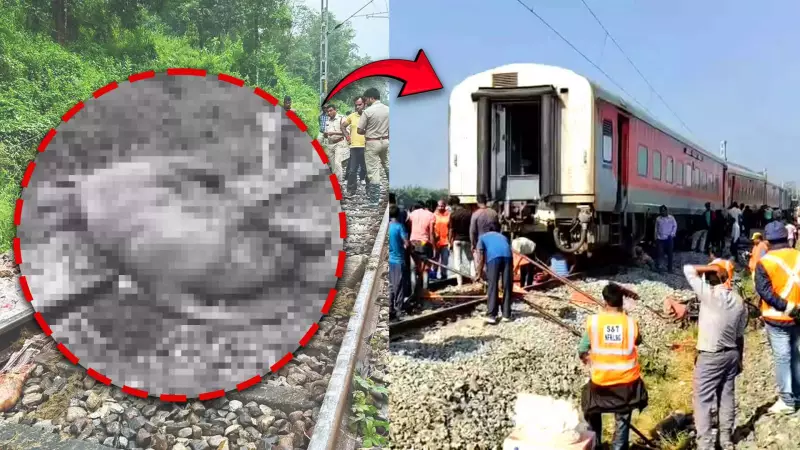
A devastating incident in Assam has resulted in the death of at least eight elephants after the Sairang–New Delhi Rajdhani Express collided with a herd. The tragic event occurred in the early hours of Saturday, leading to the derailment of the train's engine and several coaches.
Details of the Tragic Collision
The fatal accident took place around 2:17 am on Saturday in the Changjurai area of Assam's Hojai district. The New Delhi-bound Rajdhani Express struck a herd of elephants crossing the tracks. The impact was severe, resulting in the immediate death of eight elephants and leaving one injured.
Following the collision, the locomotive and five coaches of the train derailed. Authorities have confirmed that, fortunately, no injuries to passengers were reported from the derailment. The safety protocols of the train likely prevented human casualties despite the significant damage to the rolling stock.

Immediate Response and Restoration Work
Forest department teams were swiftly dispatched to the location. Nagaon Divisional Forest Officer Suhash Kadam stated that his teams rushed to the spot soon after being alerted. Their immediate priorities were managing the scene, attending to the injured elephant, and beginning an assessment of the tragic loss of wildlife.
Simultaneously, officials from the Northeast Frontier Railway (NFR) initiated restoration work at the site. Their focus was on clearing the track, assessing the damage to the coaches and engine, and restoring normal rail traffic on the crucial route as quickly and safely as possible.
Ongoing Assessment and Broader Implications
The incident has once again highlighted the critical and ongoing conflict between railway lines passing through wildlife corridors and animal movement. Forest authorities are conducting a detailed assessment of the situation. The management of the injured elephant remains a key concern for the forest teams on the ground.
While the immediate focus is on restoration and assessment, this tragedy is expected to renew discussions about mitigation measures such as:
- Enhanced early warning systems for train drivers in elephant corridors.
- Speed restrictions in sensitive zones, especially during night hours.
- Strengthening of habitat connectivity to provide safer crossing points for wildlife.
The collision in Hojai marks another somber chapter in the challenges of co-existence between India's expanding infrastructure and its precious wildlife, particularly in biodiverse regions like Assam.






